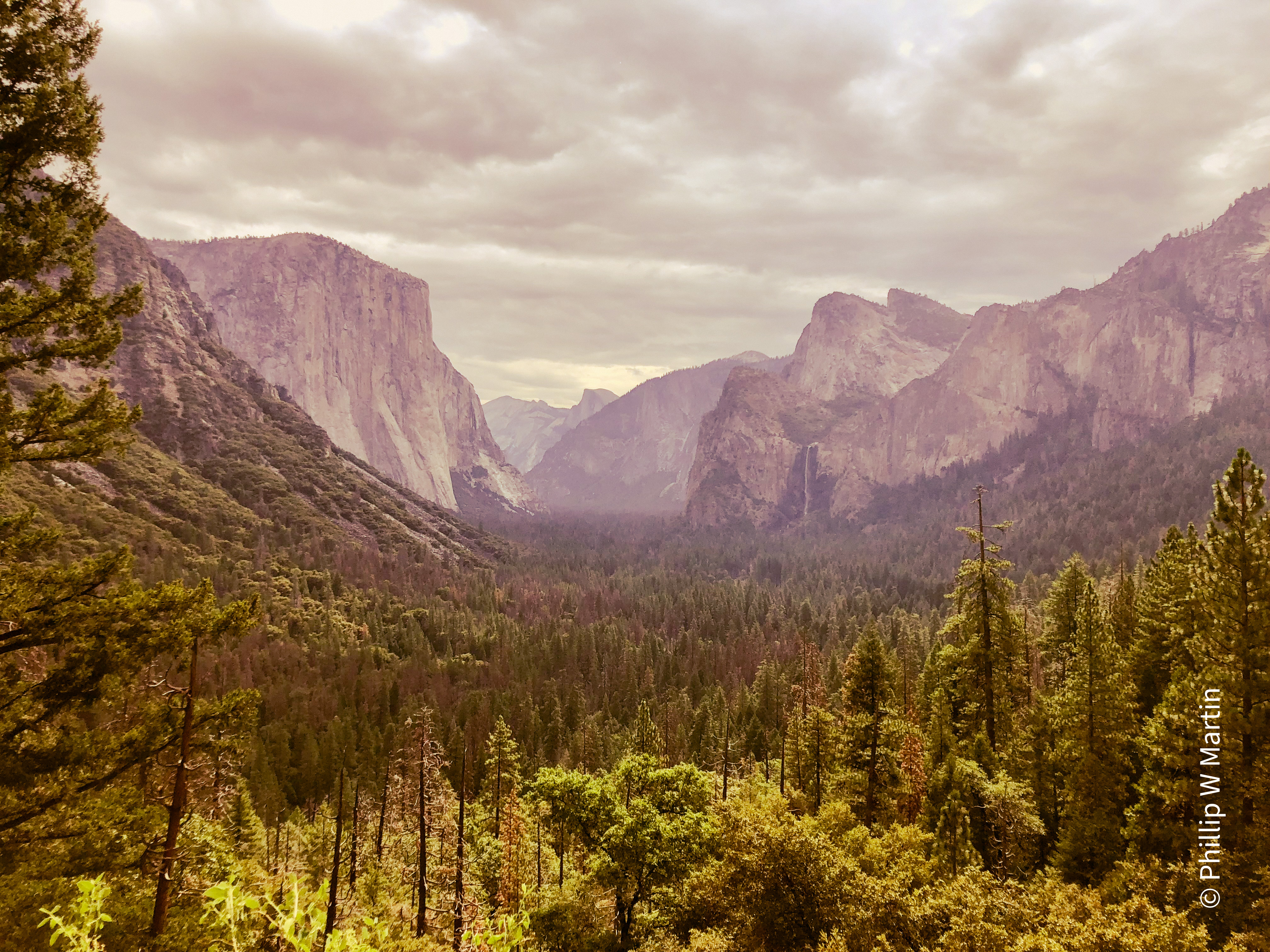
The gospel is not only true. It is beautiful.
John says, “And the Word became flesh and dwelt among us, and we have seen his glory” (John 1.14a).
That word “dwelt” carries us backward into the story of Israel. John is echoing the tabernacle in the wilderness. In Exodus, God’s presence filled the tent among his people. Exodus 40.34 says, “Then the cloud covered the tent of meeting, and the glory of the LORD filled the tabernacle.”
Israel longed for the presence of God. The tabernacle, the temple, the cloud, the fire all pointed toward a deeper hope. One day God himself would come and dwell with his people fully.
John says that day arrived in Jesus.
“The Word became flesh and dwelt among us.”
The Greek word σκηνόω (skēnoō, “to tabernacle, to dwell in a tent”1) reaches back into that Exodus story. The word itself means to pitch a tent or tabernacle. John is echoing the Exodus tabernacle, not the usual temple term. Jesus is the true meeting place between God and humanity. Not a tent of fabric and gold, but God in flesh and blood.
And John says, “we have seen his glory.”
Not abstract beauty. Not distant beauty.
The beauty of God had hands. He touched lepers. The beauty of God had eyes. He saw the overlooked. The beauty of God had a voice. He spoke forgiveness to sinners. The beauty of God had wounds. He gave himself for us.
That is the apologetic of beauty.
People are argued into faith. People are reasoned toward faith. Those things matter. Truth matters. Evidence matters. John gives testimony: “we have seen.” Christianity is not built on private feelings but on public witness.
Yet John says what they saw was glory, “glory as of the only Son from the Father, full of grace and truth” (John 1.14b).
Grace and truth together are beautiful.
Truth without grace crushes us. Grace without truth leaves us unchanged. But in Jesus, truth names our sin and grace bears it. Truth exposes our darkness, and grace does not walk away.
That is what our hearts need.
We chase beauty in approval, success, comfort, romance, control, and reputation. We think, if I can have that, I will be whole. But every created beauty bends under the weight of being treated like God.
John says the beauty your heart is looking for has come near.
The Word became flesh.
He did not stay far off. He came into our dust, our weakness, our death. At the cross, the world saw shame. John saw glory. The Son gave himself so sinners could come home.
And the story does not end at Bethlehem or even Golgotha. The Christ who tabernacled among us now reigns risen and exalted. The glory once hidden in flesh is the glory of the resurrected King. John will later see him again in Revelation, not wrapped in humility alone, but reigning among the lampstands, holding the keys of death and Hades in his hands (Rev 1.12–18).
The One who came near is the One who will come again.
See him.
See the glory of the Son. See the true tabernacle of God among men. See grace and truth in the same Savior. See the beauty of God crucified for you and raised for your hope.
If you have been chasing lesser beauties, come back to Christ. If you believe but have grown cold, bring that to him honestly. If you have never confessed Christ, repented, and been baptized into him, that door is open.
“The Word became flesh and dwelt among us.” The glory has come near. And the risen Christ still calls people home.
~PW 🌮🛶
- Bauer, W., Danker, F. W., Arndt, W., & Gingrich, F. W. (2000). A Greek-English Lexicon of the New Testament and Other Early Christian Literature (3rd ed., p. 929). University of Chicago Press. ↩︎


Leave a comment