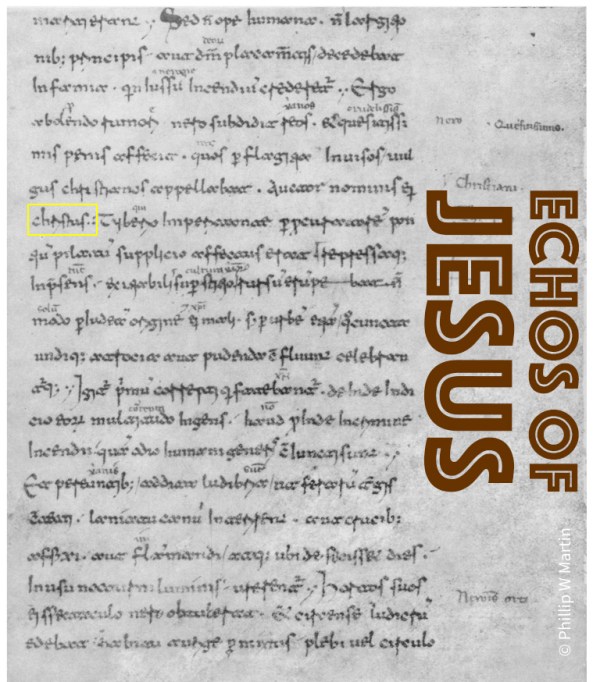
Folio from Codex Mediceus II (Biblioteca Medicea Laurenziana, Plut. 68.2), an 11th-century Latin manuscript preserving Annals 11–16 by Tacitus. This codex is the earliest surviving manuscript that contains Annals 15.44, the passage describing Nero’s punishment of Christians following the fire of Rome. For many a seeker's heart, the question "Did Jesus of Nazareth really live?"... Continue Reading →
Colossians 4.7-18, Partners in the Mission
Image Credit: Todd Bolen, bibleplaces.com. A series of mineral springs on the southern edge of ancient Hierapolis were popular then and now for bathing. Because Hierapolis is no longer inhabited, these springs are known by the name of the nearby modern town, Pamukkale. Paul closes his letter to the Colossians not with lofty argument but... Continue Reading →
The Price of an Affair
David gazes down at Bathsheba from the rooftop, a Renaissance depiction of temptation and its consequences.Lucas Cranach the Elder, David and Bathsheba (1526), Gemäldegalerie, Staatliche Museen zu Berlin. Public domain, via Wikimedia Commons. Proverbs 6:32 says whoever commits adultery, 'destroys his own soul.' The Hebrew word here is striking. Mashchît means to bring ruin upon yourself, to act... Continue Reading →
Teaching Ephesians
W. H. P. Hatch and C. B. Welles, A Hitherto Unpublished Fragment of the Epistle to the Ephesians, HTR LI (1958), pp. 33-37. This Ephesians course was developed to strike a balance between close textual analysis and theological synthesis, guiding disciples to grasp both the literary structure of the letter and its real-world implications. The epistle... Continue Reading →
Hope:
Christian hope is not centered on escaping the body or reaching a final resting place in an immaterial heaven. When Paul speaks of his desire “to depart and be with Christ” in Philippians 1:23, he offers comfort and confidence to believers facing death. Yet, this is not the complete picture. In the same letter, Paul makes... Continue Reading →