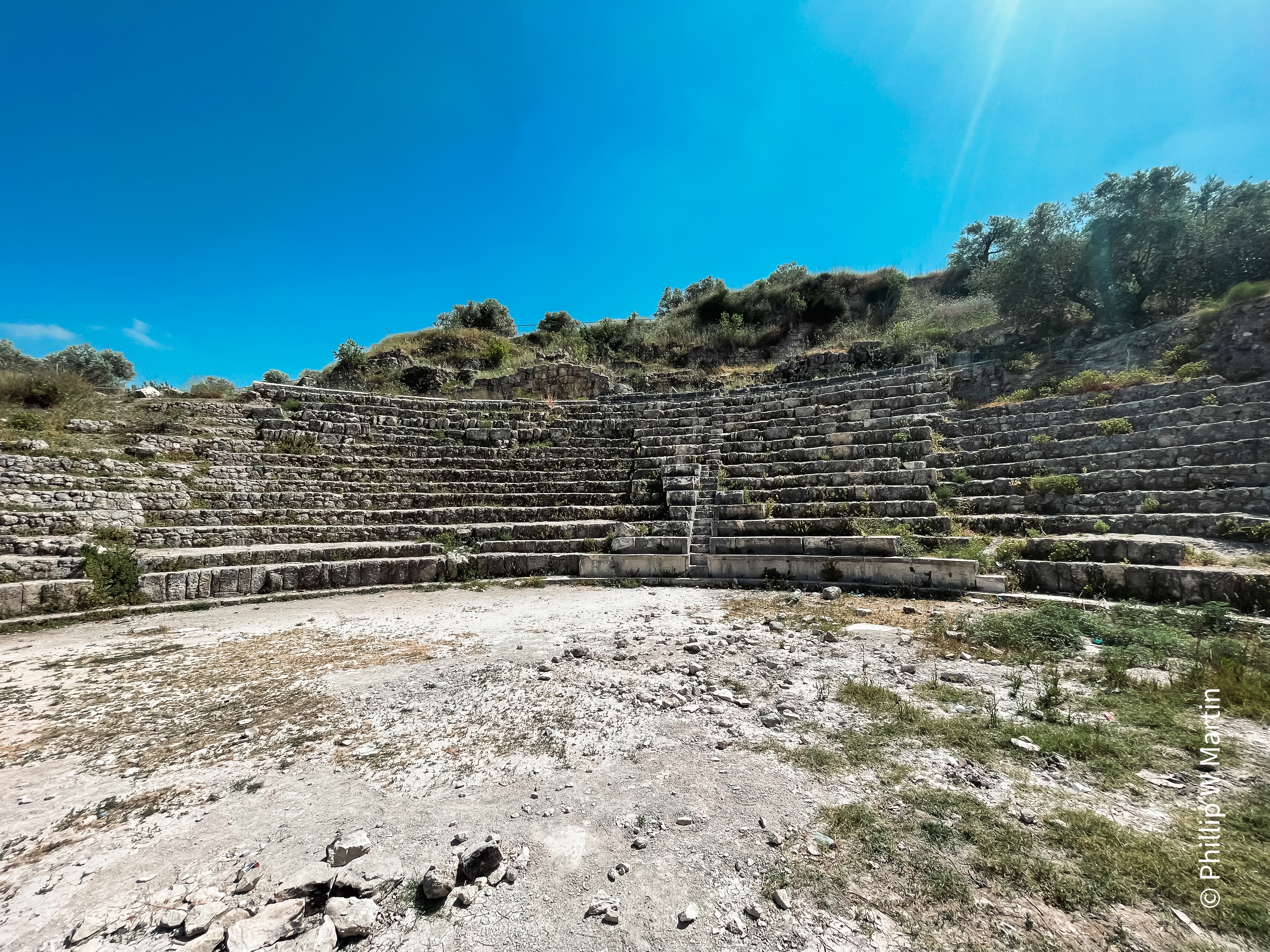
Photograph by Phillip W. Martin.
You know the feeling. You watch. You listen. Certain stories keep showing up; dressed as courage or progress or freedom. After a while they feel everywhere. You start to wonder whether the world itself has changed, or whether something else is happening inside you. Fatigue sets in. A quiet unease. Not anger. Not fear. Just a sense of being formed without consent.
Scripture approaches that experience with calm honesty. It never pretends that what we see does not shape us.
Paul writes to the church in Rome, surrounded by images, rituals, and desires that pressed in on them each day. He does not tell them to flee the city or shout it down. He tells them to pay attention to formation.
“Do not be conformed to this world, but be transformed by the renewal of your mind, that by testing you may discern what is the will of God, what is good and acceptable and perfect.” (Romans 12.2, ESV)
Conformity happens without effort. Transformation does not.
The word Paul uses for “world” is not the planet. It is aiōn; the age, the present order. It refers to the shared imagination of the time: the stories that say, This is what matters. This is what makes you whole. The Roman age had its own moral scripts: power, pleasure, status, and desire as authority.
Our age tells stories too. Different details. Same pressure.
The Bible never argues that repeated stories create desire from nothing. It suggests something subtler: repetition trains attention. Attention trains love. Love shapes life.
The psalmist opens the book this way:
“Blessed is the man who walks not in the counsel of the wicked, nor stands in the way of sinners, nor sits in the seat of scoffers; but his delight is in the law of the Lord, and on his law he meditates day and night.” (Psalm 1.1–2)
Notice the movement. Walk. Stand. Sit. Many interpreters see a progression here: formation happening by degrees. No sudden rebellion. Just presence over time. Counsel heard. Ways normalized. Seats taken.
Jesus knows this pattern. In Mark’s Gospel the story begins not with spectacle but with a voice crying in the wilderness. John the Baptist does not compete with Rome’s pageantry. He calls people to turn around. Repentance is clarity: waking up to what has been shaping you and choosing a truer center.
Jesus enters next. Quiet. Steady. Unimpressed by the stories already in circulation. He heals bodies without redefining them. He forgives sinners without denying sin. He eats with the broken and calls them into a new way of being human.
John later reflects on this mystery:
“And the Word became flesh and dwelt among us, and we have seen his glory, glory as of the only Son from the Father, full of grace and truth.” (John 1.14)
Not an idea. Not a slogan. A life you could watch, touch, follow.
Paul returns to the theme when he writes from prison:
“Set your minds on things that are above, not on things that are on earth.” (Colossians 3.2)
He is not calling believers to ignore the world. He is calling them to live from a different gravity: a different story of what the good life is and where joy grows.
The tension we feel today is not new. It is ancient. Competing stories want our attention. Each one promises fullness. Many leave us thin.
The gospel speaks without shouting. It tells us that our loves are often disordered. That fear hides behind affirmation. That pride disguises itself as compassion.
Christ does not scold us for noticing. He invites us to come and see. To sit with him. To let his words reframe our imaginations. To let worship do its slow, reordering work.
Most formation does not happen in arguments. It happens in habits: in what we rehearse, in what we return to when no one is watching, in which story we let name us.
This week you will see many things. Some will ask for your agreement. Others will ask only for your gaze. You do not have to carry them all. You belong to Christ.
Let his story be the one that stays with you when the screen goes dark.
~PW 🌮🛶
 Phillip W. Martin
Leave a comment