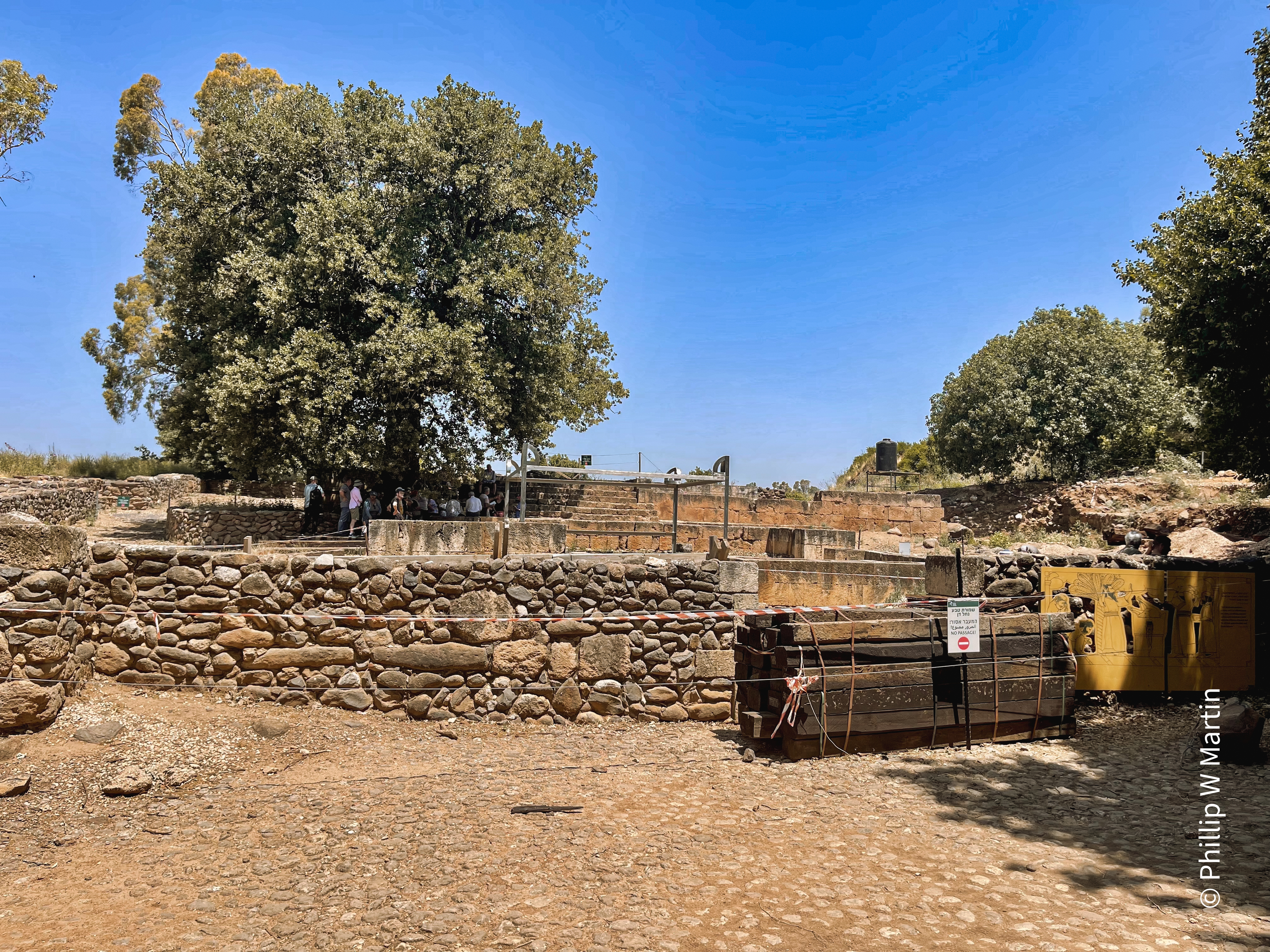
There is a decision most of us have made that we do not like to call what it was.
We dressed it up. We called it wisdom, or prudence, or reading the room. We told ourselves we were being practical, that we were protecting something important, that the circumstances demanded flexibility. But underneath the careful reasoning, if we are honest, what was really driving us was fear. We were afraid of losing something, and so we built a backup plan. And the backup plan became the thing.
Jeroboam’s story in 1 Kings 12.25–33 is not a distant cautionary tale. It is a mirror.
God had given this man a kingdom. Not through his own maneuvering, but through the word of the prophet Ahijah. And with the kingdom came a promise: walk in my ways, as David did, and I will build you a dynasty that endures (1 Kings 11.38). That promise was not vague. It was conditional, clear, and within reach. All Jeroboam had to do was trust it.
He could not do it.
The hinge of the entire passage is a single phrase in verse 26. Jeroboam said in his heart. Not “Jeroboam prayed.” Not “Jeroboam consulted the prophet who anointed him.” He reasoned within himself, and what he found there was fear. The people will drift toward Jerusalem. Their hearts will return to Rehoboam. I will lose everything.
His political analysis was not wrong. But his theological conclusion was catastrophic. He looked at God’s promise and decided it was not enough. He needed a plan. And so he made one. Golden calves at Bethel and Dan. Priests appointed from whoever was willing. A festival moved one month so people had no reason to travel south. Worship redesigned to serve the king’s agenda rather than God’s command.
Notice what Jeroboam did not do. He did not deny Yahweh. He did not import Baal. He kept the vocabulary of faith. He just quietly redefined the terms. He told the people: here are your gods who brought you out of Egypt. He gestured at the calves and used the language of the exodus. He built a system that looked like faithfulness, felt like religion, and gathered people in droves.
God called it sin.
The form matters because God is the one who defines how he is to be approached. We do not get to redesign that for the sake of convenience. Jeroboam gave the people worship that fit the lives they were already living rather than calling them to be shaped by what God had revealed. And they loved it. But the text is relentless: he did in the month that he had devised from his own heart (1 Kings 12.33). His heart. Not God’s word. His own heart.
The modern equivalents are rarely golden statues. They look more like spiritual practices we have quietly bent to accommodate our schedules, convictions we have softened because we feared losing people, decisions shaped more by what we were afraid might happen than by what God has actually said. We build systems of security, and we call them wisdom. But they are altars. And we built them because we did not believe the promise was enough.
Here is where the story turns.
We read 1 Kings on the other side of the cross, and that changes everything. Jesus faced every version of this temptation. He was offered the kingdoms of the world. He was pressured by crowds to become the kind of king who would meet their immediate needs. He was tested to adjust his obedience to fit the expectations of those around him. At every point, he said no. Not my will, but yours be done (Luke 22.42). That is the prayer Jeroboam never prayed.
And because Jesus obeyed where every other king faltered, we are not left trying to secure our own standing through systems we design. His obedience leads to our redemption. His trust accomplishes what our fear tries to control. The altar that matters has been built. The sacrifice has been made, once for all (Hebrews 10.10). We do not need to engineer what Christ has already accomplished.
Fear tells you the promise is not enough. The cross says otherwise.
Trust the promise.
Obey the command.
Follow the King who never wavered.
~PW 🌮🛶
You can listen to the full sermon here: https://www.coceastside.com/sermons/sermons/2026/03/29/1-kings-1225-33-false-altars-rise
 Phillip W. Martin
Leave a comment