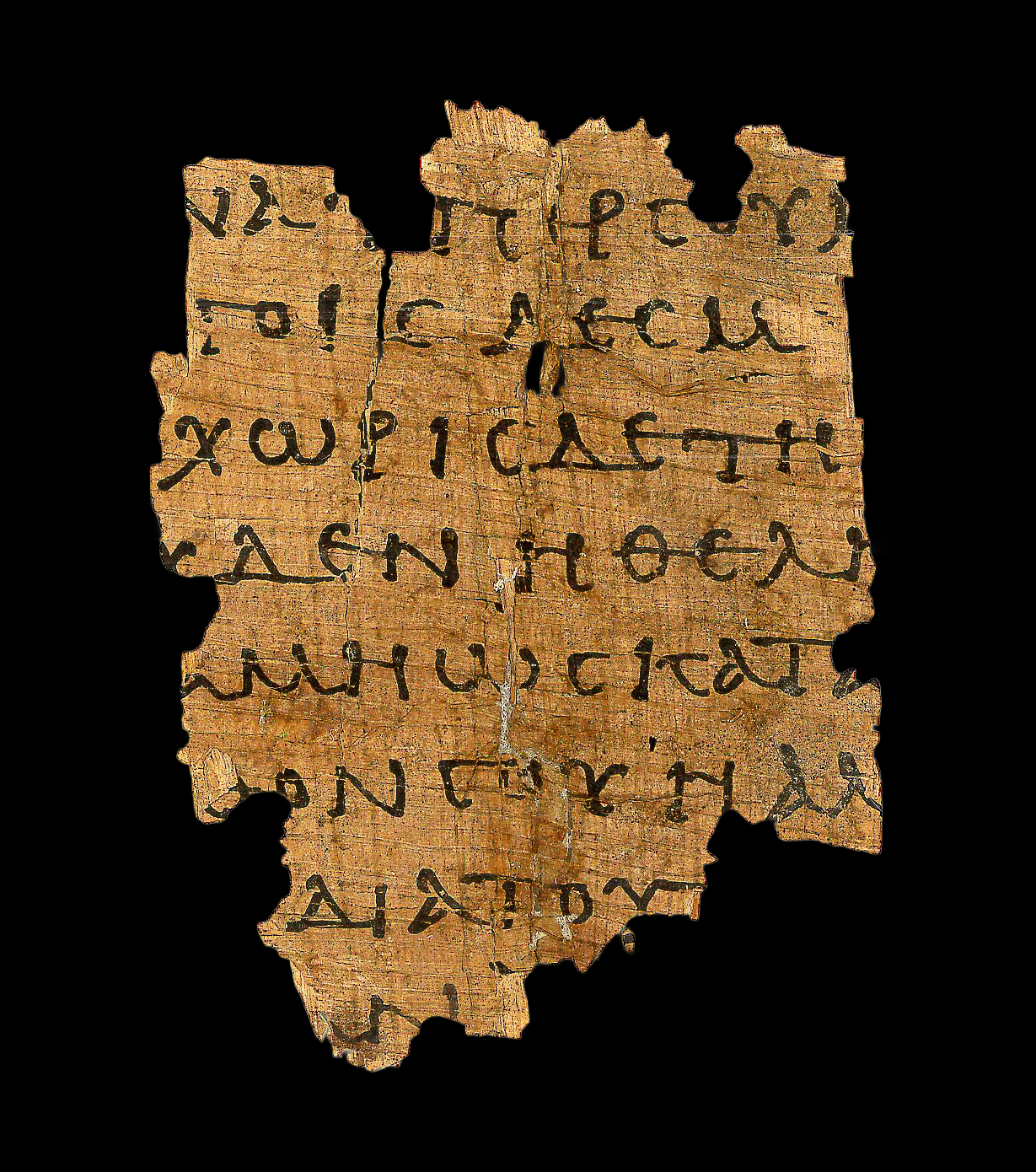
Paul writes from prison with an impossible request. He is sending back a runaway slave named Onesimus to his master Philemon, asking him to receive Onesimus not as property but as a brother. Under Roman law, Philemon had absolute authority over Onesimus, including the power of life and death. Runaway slaves could face severe punishment. Paul knows all this. He asks anyway. “Receive him as you would receive me.”
This is the gospel at ground level. Not theological abstraction but flesh and blood transformation. A slave who was once useless becomes useful. A master who could exact vengeance is called to show grace. A relationship broken by desertion and debt is restored by forgiveness. What changes everything is not social reform or moral pressure. It is the power of Christ to remake human identity from the inside out.
Paul plays on words throughout the letter. The name Onesimus means “useful,” but before his conversion he had become anything but useful to Philemon. The text suggests likely desertion and perhaps some financial loss, though it does not specify exactly what happened. Whatever the offense, Onesimus had forfeited his usefulness. Then Paul met him in prison and led him to Christ. Salvation made the useless useful again. Paul writes, “Formerly he was useless to you, but now he is indeed useful to you and to me.”
The transformation goes deeper than behavior. Christ redeems identity itself. Onesimus is no longer defined by his past failures or his social status. He is a new creation. The old has passed away. Paul does not send him back with a better work ethic or improved character references. He sends him back as a beloved brother, clothed in the righteousness of Christ. This is the scandal of grace. It does not just pardon our past. It redefines our identity completely.
But Paul does not stop with Onesimus. He turns the lens on Philemon. “If you count me as a partner, receive him as myself. If he has wronged you at all, charge that to my account. I will repay it.” Paul could have commanded obedience as an apostle. Instead he chooses entreaty, appealing to love and making himself the mediator between wronged master and guilty slave.
This is the gospel pattern. Christ stands between us and the judgment we deserve, saying “Charge it to my account.” Paul models the work of Christ in miniature. He absorbs the cost so that reconciliation becomes possible.
The call to forgiveness cuts deep. It is one thing to forgive on paper, to write off a financial loss and move on. It is another thing to mean it, to welcome the offender back not just into your employment but into your family. Paul asks Philemon to do the unthinkable. Receive this slave as a brother. Not as a servant on probation. Not as a debtor working off his guilt. As a beloved brother, both in the flesh and in the Lord.
If Philemon were to refuse, he would be contradicting the very grace that has saved him, setting aside the gospel’s power to transform relationships. The same mercy he has received from Christ is now being asked of him toward Onesimus. This is where the rubber meets the road. Do we believe the gospel enough to live it out in our most damaged relationships?
Paul closes with confidence. “I write to you, knowing that you will do even more than I say.” He expects obedience, but more than that, he expects joy. “Refresh my heart in Christ,” he writes. The gospel produces not grudging compliance but joyful reconciliation. When we forgive as we have been forgiven, hearts are healed, chains are broken, and the community of faith becomes a testimony to the watching world that Jesus really does make all things new.
This letter has echoed through history. It contains the principles that would eventually dismantle slavery itself. You cannot genuinely call someone brother or sister in Christ while holding them in bondage. The gospel creates an internal contradiction with oppression that must eventually be resolved. But the letter speaks beyond ancient slavery, confronting every system that denies the fundamental equality of believers in Christ.
The Christ who is supreme over all in Colossians is the same Christ who reconciles slave and master in Philemon. The Christ who holds all things together is the same Christ who makes broken relationships whole. Imagine a slave entering his master’s house as family. Now imagine a guilty sinner entering God’s family. That is the gospel. That is grace.
Stop holding ledgers. Start extending mercy. In the household of God, the walls are coming down.
“There is neither slave nor free, for you are all one in Christ Jesus.” (Galatians 3:28, ESV)
~PW 🌮🛶
For more on this topic, check out my full sermon from Philemon 1-25, From Slave to Brother
 Phillip W. Martin
Leave a comment