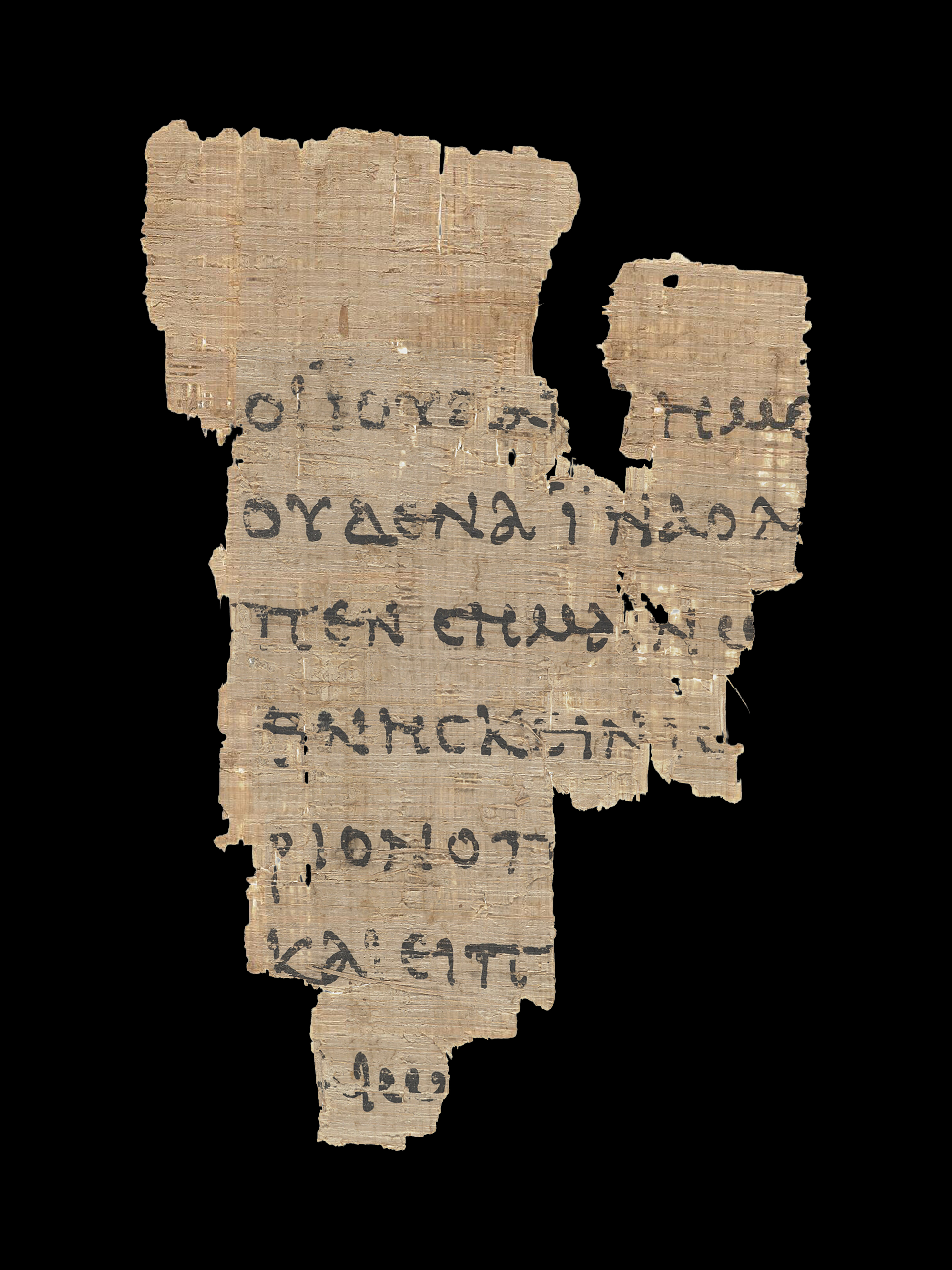
Who Is Jesus? in the Gospel of John grows out of my ongoing work, The Messiah in the Margins, a project that traces how the Hebrew Scriptures whisper, anticipate, and ultimately converge in the revelation of the Messiah. John’s Gospel serves as both a theological witness and a classical apologetic , a reasoned defense of faith that invites belief through narrative, signs, and testimony. John writes with deliberate persuasive intent, weaving eyewitness structure and Old Testament allusion to show that Jesus is the Christ, the Son of God.
- John 20.30-31, Introduction: Why John?
- Who is Jesus? The one written about so we may believe and have life.
- John explicitly states his purpose: revealing Jesus’ identity so readers may believe and receive true life. This echoes the knowledge of God’s glory filling the earth (Habakkuk 2.14) and the heavens declaring His glory (Psalm 19.1-4). John presents Jesus as God’s ultimate revelation; believing in Him fulfills Scripture’s call to faith and opens the way to divine life.
- Intertexts: Isaiah 40.3-5; Habakkuk 2.14; Psalm 19.1-4
Parallels: Mark 1.1; Luke 1.1-4
- John 1.1-18, The Eternal Word
- Who is Jesus? God’s Word made flesh, the true Light, the revealer of God.
- “In the beginning was the Word… and the Word was God” directly echoes Genesis 1.1-3. As God’s Word brought forth light in creation, Jesus as the incarnate Word is the true Light shining in darkness. Like Moses seeing God’s glory (Exodus 33.18-23), the Word reveals the Father’s glory among us.
- Intertexts: Genesis 1.1-3; Exodus 33.18-23; Psalm 36.9
Parallels: Mark 1.9-11; Matthew 3.13-17
- John 1.19-2.12, The Lamb of God and the Son of Man
- Who is Jesus? God’s chosen one, the Messiah who calls disciples and brings joy.
- John the Baptist identifies Jesus as “the Lamb of God,” evoking both the Passover lamb (Exodus 12.1-13) and Isaiah’s suffering servant (Isaiah 53.7). Jesus sees heaven opened like Jacob’s ladder (Genesis 28.12-17), confirming He is the bridge between heaven and earth. His first sign at Cana inaugurates messianic joy.
- Intertexts: Exodus 12.1-13; Isaiah 53.7; Genesis 28.12-17
Parallels: Mark 1.16-20; Luke 5.1-11
- John 2.13-25, The True Temple
- Who is Jesus? The one greater than the temple, the presence of God with us.
- By cleansing the temple and declaring “Destroy this temple, and in three days I will raise it up,” Jesus reveals Himself as the true dwelling place of God. Like the glory filling the tabernacle (Exodus 40.34-38) and Solomon’s temple (1 Kings 8.10-13), God’s presence now dwells bodily in Christ.
- Intertexts: Exodus 40.34-38; 1 Kings 8.10-13; Psalm 132.13-14
Parallels: Mark 11.15-17; Matthew 21.12-13
- John 3.1-36, The Savior Who Brings New Birth
- Who is Jesus? The one who gives new life from above and testifies to God’s love.
- Jesus teaches rebirth through water and Spirit, fulfilling Ezekiel’s promise of cleansing and renewal (Ezekiel 36.25-27). He compares His lifting up to Moses’ bronze serpent (Numbers 21.8-9): as the serpent brought healing, so the Son brings salvation to all who look to Him (Isaiah 45.22).
- Intertexts: Ezekiel 36.25-27; Numbers 21.8-9; Isaiah 45.22
Parallels: Mark 4; Matthew 13
- 6. John 4.1-54, The Living Water and the Healer
- Who is Jesus? The giver of living water, Savior of the world, and healer from afar.
- Jesus offers “living water” that springs to eternal life, fulfilling Isaiah’s invitation to drink freely (Isaiah 55.1-3). He embodies God who is “the fountain of living waters” (Jeremiah 2.13) and turns deserts into pools (Psalm 107.35). The Samaritans recognize Him as “Savior of the world.”
- Intertexts: Isaiah 55.1-3; Jeremiah 2.13; Psalm 107.35
Parallels: Matthew 8.5-13; Luke 7.1-10
- John 5.1-47, The Son Who Works with the Father
- Who is Jesus? The Son equal with God, who gives life and executes judgment.
- “My Father is working until now, and I am working.” Jesus claims divine authority over Sabbath rest (Genesis 2.2-3). Like Daniel’s Son of Man given dominion (Daniel 7.13-14), Jesus exercises judgment. He fulfills the Servant’s role bringing light and salvation (Isaiah 49.6).
- Intertexts: Genesis 2.2-3; Daniel 7.13-14; Isaiah 49.6
Parallels: Mark 3.1-6; Luke 13.10-17
- John 6.1-71, The Bread of Life
- Who is Jesus? The true bread from heaven, who alone gives eternal life.
- “I am the Bread of Life” connects Jesus to the manna from heaven (Exodus 16.4-15) that sustained Israel. Yet He surpasses this “bread of angels” (Psalm 78.23-25), for man does not live by bread alone (Deuteronomy 8.3) but by every word, and Jesus is the Word incarnate.
- Intertexts: Exodus 16.4-15; Psalm 78.23-25; Deuteronomy 8.3
Parallels: Mark 6.30-44; Matthew 14.13-21
- John 7.1-52, The Source of Living Water
- Who is Jesus? The one sent by God, offering Spirit and life, yet rejected in confusion.
- At Tabernacles, Jesus promises “rivers of living water,” the Spirit, fulfilling visions of water flowing from Jerusalem (Zechariah 14.8) and the temple (Ezekiel 47.1-12). God’s promise to pour water on the thirsty and Spirit on their descendants (Isaiah 44.3) finds fulfillment in Christ.
- Intertexts: Zechariah 14.8; Ezekiel 47.1-12; Isaiah 44.3
Parallels: Mark 6.1-6; Luke 4.16-30
- John 8.1-59, The Light of the World
- Who is Jesus? The liberator from sin, the one who declares, “Before Abraham was, I AM.”
- “I am the Light of the world” fulfills the Servant’s calling as light to nations (Isaiah 42.6-7) and the rising sun of righteousness (Malachi 4.2). Jesus’ claim “Before Abraham was, I AM” invokes the divine name revealed to Moses (Exodus 3.14), asserting His eternal deity.
- Intertexts: Exodus 3.14; Isaiah 42.6-7; Malachi 4.2
Parallels: Mark 9.2-8; Matthew 17.1-8
- John 9.1-41, The Light Who Opens Eyes
- Who is Jesus? The one who gives sight to the blind and reveals spiritual blindness.
- Healing the blind man fulfills the Lord’s work of opening blind eyes (Psalm 146.8) and the messianic promise that the blind will see (Isaiah 29.18). As God claims sovereignty over sight (Exodus 4.11), Jesus demonstrates divine authority by granting both physical and spiritual vision.
- Intertexts: Psalm 146.8; Isaiah 29.18; Exodus 4.11
Parallels: Mark 10.46-52; Luke 18.35-43
- John 10.1-42, The Good Shepherd
- Who is Jesus? The shepherd who knows, leads, and lays down His life for the sheep.
- “I am the good shepherd” fulfills God’s promise to shepherd His people Himself (Ezekiel 34.11-16) through a ruler from Bethlehem (Micah 5.2-4). He leads His flock with divine tenderness (Isaiah 40.10-11), surpassing all earthly shepherds by laying down His life willingly.
- Intertexts: Ezekiel 34.11-16; Micah 5.2-4; Isaiah 40.10-11
Parallels: Matthew 18.12-14; Luke 15.3-7
- John 11.1-57, The Resurrection and the Life
- Who is Jesus? The one who calls the dead to life and reveals God’s glory.
- “I am the Resurrection and the Life.” Then Jesus proves it, like Ezekiel’s vision of dry bones receiving life (Ezekiel 37.1-14) and Elijah raising the widow’s son (1 Kings 17.17-24). He embodies Job’s hope: “I know that my Redeemer lives” (Job 19.25-27), bringing resurrection power into the present.
- Intertexts: Ezekiel 37.1-14; 1 Kings 17.17-24; Job 19.25-27
Parallels: Mark 5.35-43; Luke 8.49-56
- John 12.1-50, The Lifted-Up Son
- Who is Jesus? The glorified one who draws all people to Himself through the cross.
- “When I am lifted up” fulfills Isaiah’s paradox of the Servant exalted through suffering (Isaiah 52.13-15), the bronze serpent lifted for healing (Numbers 21.8-9), and the rejected stone becoming cornerstone (Psalm 118.22-26). The cross becomes Christ’s throne of glory.
- Intertexts: Isaiah 52.13-15; Numbers 21.8-9; Psalm 118.22-26
Parallels: Mark 11.1-11; Matthew 21.1-11
- John 13.1-38, The Servant Lord
- Who is Jesus? The teacher and Lord who washes feet and loves to the end.
- By washing feet like priests before service (Exodus 29.4), Jesus embodies the obedient Servant who suffers without retaliation (Isaiah 50.6). His radical love even toward His betrayer exemplifies doing good to enemies (Proverbs 25.21-22), demonstrating divine lordship through humble service.
- Intertexts: Exodus 29.4; Isaiah 50.6; Proverbs 25.21-22
Parallels: Mark 14.22-25; Luke 22.14-23
- John 14.1-31, The Way, the Truth, and the Life
- Who is Jesus? The exclusive way to the Father and sender of the Spirit.
- “I am the way, the truth, and the life.” Jesus is God’s presence as assurance (Exodus 33.14-15) and the source of perfect peace through trust (Isaiah 26.3-4). He promises the Spirit, fulfilling Joel’s prophecy of the Spirit poured out (Joel 2.28-29).
- Intertexts: Exodus 33.14-15; Isaiah 26.3-4; Joel 2.28-29
Parallels: Luke 24.49; Acts 1.4-5
- John 15.1-27, The True Vine
- Who is Jesus? The source of life and fruitfulness for His disciples.
- “I am the true vine” addresses Israel’s failure as God’s transplanted vine (Psalm 80.8-16) that became unfaithful (Hosea 10.1-2). Jesus succeeds where Israel failed, becoming like the tree by water bearing fruit through trust (Jeremiah 17.7-8).
- Intertexts: Psalm 80.8-16; Hosea 10.1-2; Jeremiah 17.7-8
Parallels: Mark 12.1-12; Matthew 21.33-46
- John 16.1-33, The Overcomer
- Who is Jesus? The one who will be rejected but assures victory and peace.
- “I have overcome the world.” Jesus is our refuge amid turmoil (Psalm 46.1-3), the Prince of Peace ruling forever (Isaiah 9.6-7). His victory assures the deliverance and resurrection promised at the end (Daniel 12.1-3).
- Intertexts: Psalm 46.1-3; Isaiah 9.6-7; Daniel 12.1-3
Parallels: Mark 10.32-34; Luke 18.31-34
- John 17.1-26, The Interceding Son
- Who is Jesus? The one who prays for His disciples’ unity, sanctification, and glory.
- Jesus’ prayer echoes the priestly blessing of peace (Numbers 6.24-26) and Moses’ intercession for Israel (Exodus 32.11-14). He prays for unity, that divine blessing dwelling together (Psalm 133.1-3), revealing His role as eternal High Priest.
- Intertexts: Numbers 6.24-26; Exodus 32.11-14; Psalm 133.1-3
Parallels: Mark 14.32-42; Matthew 26.36-46
- John 18.1-27, The Sovereign in Suffering (Part 1)
- Who is Jesus? The one in control even in arrest and denial.
- Betrayed by a close companion (Psalm 55.12-14), Jesus remains the Servant called to restore Israel despite rejection (Isaiah 49.4-6). Like one calling from the pit yet assured of deliverance (Lamentations 3.55-58), He drinks the Father’s cup willingly.
- Intertexts: Psalm 55.12-14; Isaiah 49.4-6; Lamentations 3.55-58
Parallels: Mark 14.43-52; Matthew 26.47-56
- John 18.28-19.42, The Crucified King (Part 2)
- Who is Jesus? The King lifted up on the cross, giving His life willingly.
- The crucifixion fulfills the suffering of Psalm 22.1-18, darkness at noon (Amos 8.9-10), and the struck shepherd with scattered sheep (Zechariah 13.7). “It is finished,” declares redemption accomplished through the King’s willing sacrifice.
- Intertexts: Psalm 22.1-18; Amos 8.9-10; Zechariah 13.7
Parallels: Mark 15.22-41; Matthew 27.33-56
- John 20.1-31, The Risen Lord
- Who is Jesus? The risen Christ who brings peace, belief, and life.
- The resurrection fulfills promises of revival “after two days” (Hosea 6.2) and “your dead shall live” (Isaiah 26.19). Joy comes in the morning (Psalm 30.5) as the risen Jesus speaks “Peace” and Thomas confesses “My Lord and my God!”
- Intertexts: Hosea 6.2; Isaiah 26.19; Psalm 30.5
Parallels: Mark 16.1-8; Matthew 28.1-10
- John 21.1-25, The Restorer and Sender
- Who is Jesus? The shepherd who restores Peter and calls His disciples to follow.
- Jesus restores Peter as God promises to set up David to shepherd (Ezekiel 34.22-24). Like Jonah (Jonah 2.1-10) and Elijah (1 Kings 19.4-18) restored after failure, Peter is recommissioned, demonstrating grace greater than our failures.
- Intertexts: Ezekiel 34.22-24; Jonah 2.1-10; 1 Kings 19.4-18
Parallels: Matthew 28.16-20; Luke 24.44-49
Throughout John’s Gospel, Jesus is revealed as the divine Son who fulfills all Old Testament hopes and shadows. He is the Word become flesh, the true Temple, the Bread of Life, the Good Shepherd, the Resurrection and the Life. Every “I AM” statement connects Him to Yahweh’s self-revelation. John writes so we may believe that Jesus is the Christ, the Son of God, and that by believing we may have life in His name.
The Gospel of John is both an invitation and a defense, offering testimony that unites history, theology, and Scripture’s deeper resonance. Each scene and sign functions as a witness drawn from the margins of Israel’s story, now fulfilled in the Messiah who is both Word and Flesh, Lamb and Shepherd, Light and Life. To read John intertextually is to see how the Scriptures converge in one voice that proclaims Jesus as the Christ, the Son of God, and to recognize the Gospel itself as a reasoned call to faith.
Maranatha,
~PW 🌮🛶
 Phillip W. Martin
Leave a comment