There is a cycle that is all too easy to fall into. It begins with a glance across the aisle, across the street, or across social media. Someone says, “Look at them over there. They don’t measure up. They’re wrong.” That judgment fuels a response: “Look at that person, so judgmental, so harsh.” The cycle continues. We judge them for judging, and in the process, we have become the very thing we condemned.
Jesus knew this cycle well. He addressed it directly in the Sermon on the Mount: “Judge not, that you be not judged. For with the judgment you pronounce you will be judged, and with the measure you use it will be measured to you” (Matthew 7.1-2, ESV). These words are among the most quoted and misquoted in the Bible. They are not an appeal to suspend all discernment; Jesus Himself goes on in the same chapter to warn about false prophets (7.15-20). Rather, His command is aimed at a spirit of condemnation, a posture that sets me up as judge, jury, and executioner over someone else’s life.
The danger of a critical spirit is how it blinds us. Jesus paints the picture: we are fixated on the speck in someone else’s eye while a log is lodged in our own. Our energy goes into highlighting the flaws of “those people over there,” but the more we do, the less we see what’s wrong with us. A critical spirit does not lead to growth in holiness. It only hardens the heart.
Proverbs offers its own wisdom on this matter. “Whoever belittles his neighbor lacks sense, but a man of understanding remains silent” (Proverbs 11.12). The proverb contrasts two kinds of people. One tears others down with words of judgment and contempt. The other exercises restraint, knowing that silence often shows greater wisdom than criticism. It is not the absence of discernment; it is the presence of humility.
The cycle of criticism runs deep in human community. It can be seen in families, congregations, and nations. Sometimes the target is “those sinners out there.” Sometimes it is fellow believers who do not meet our standard. Sometimes it is the critic himself, condemned in return. And it is here that the words of Jesus and the wisdom of Proverbs cut through the cycle: judgment is not our seat to occupy. We are not God.
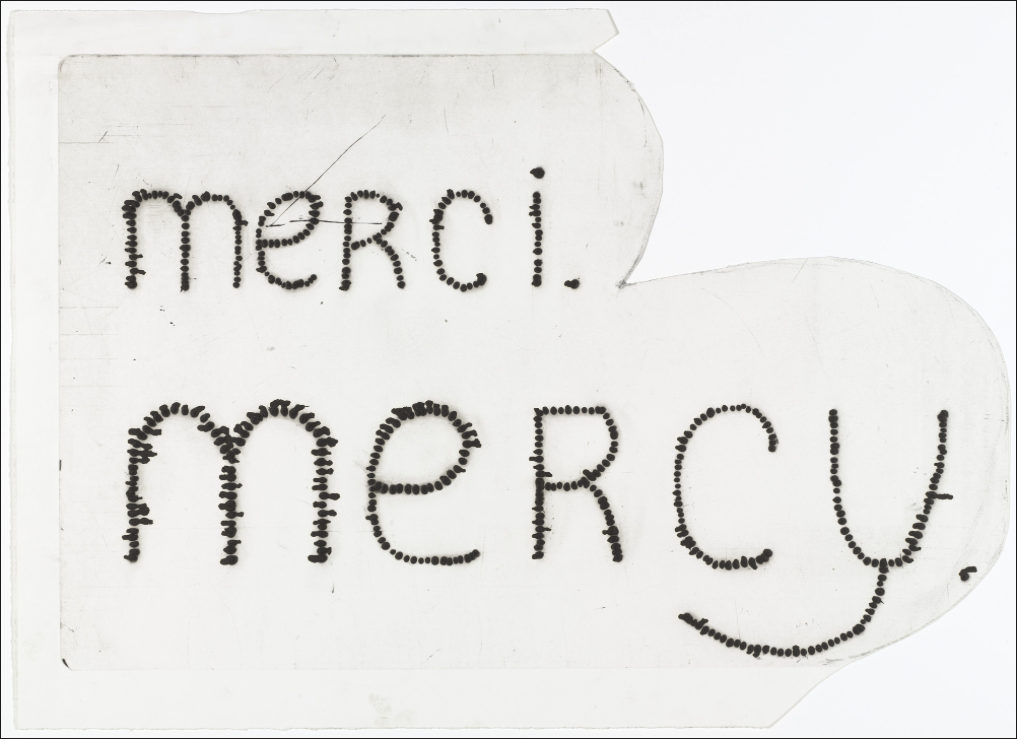
The gospel interrupts the cycle in the most unexpected way. At the cross, Jesus took the judgment we deserved. Paul would later say, “There is therefore now no condemnation for those who are in Christ Jesus” (Romans 8.1). That doesn’t mean sin is ignored or truth is erased. It means judgment has already been carried to its end in Christ. In Him, the final verdict is mercy.
When that truth sinks in, it reshapes how we treat others. If the weight of my sin has been lifted by the cross, how can I turn around and weigh others down with my condemnation? If Christ has forgiven me, why would I belittle my neighbor? A critical spirit is not only foolish; it is out of step with the gospel.
This does not erase the need for accountability. There are times when sin must be confronted and truth must be spoken. But there is a difference between speaking the truth in love (Ephesians 4.15) and tearing others down from a place of superiority. Love aims at restoration. Criticism aims at humiliation. Love points toward Christ. Criticism points back at me.
So what does this mean for us? It means resisting the cycle of “those people over there.” It means recognizing that whenever I point the finger, three more are pointing back at me. It means remembering that silence, patience, and mercy often show more wisdom than the sharpest critique. And most of all, it means standing at the cross, where the Judge became the judged, so that the guilty might go free.
If you have been carrying a critical spirit, the call is not to try harder to be “nicer.” The call is to return to Christ. Let His mercy soften the places that have grown hard. Let His grace remind you that you, too, are a sinner forgiven. And let His Spirit reshape your posture toward others, not with condemnation, but with compassion.
The cycle of criticism does not have to define us. The gospel breaks it.
~PW 🌮🛶
 Phillip W. Martin
Leave a comment