Herod the Great, king of Judea at the time of Jesus’ birth, is a critical figure in both the New Testament and historical writings. His reign, marked by paranoia, monumental building projects, and ruthless political maneuvers, significantly shaped the landscape of first-century Palestine.
Historical Overview
Herod rose to power in 37 BCE, consolidating his rule with the support of Rome. His reign can be divided into three phases:
- 37–27 BCE: Consolidation – Herod gained Roman favor by pacifying the Jews and effectively collecting taxes.
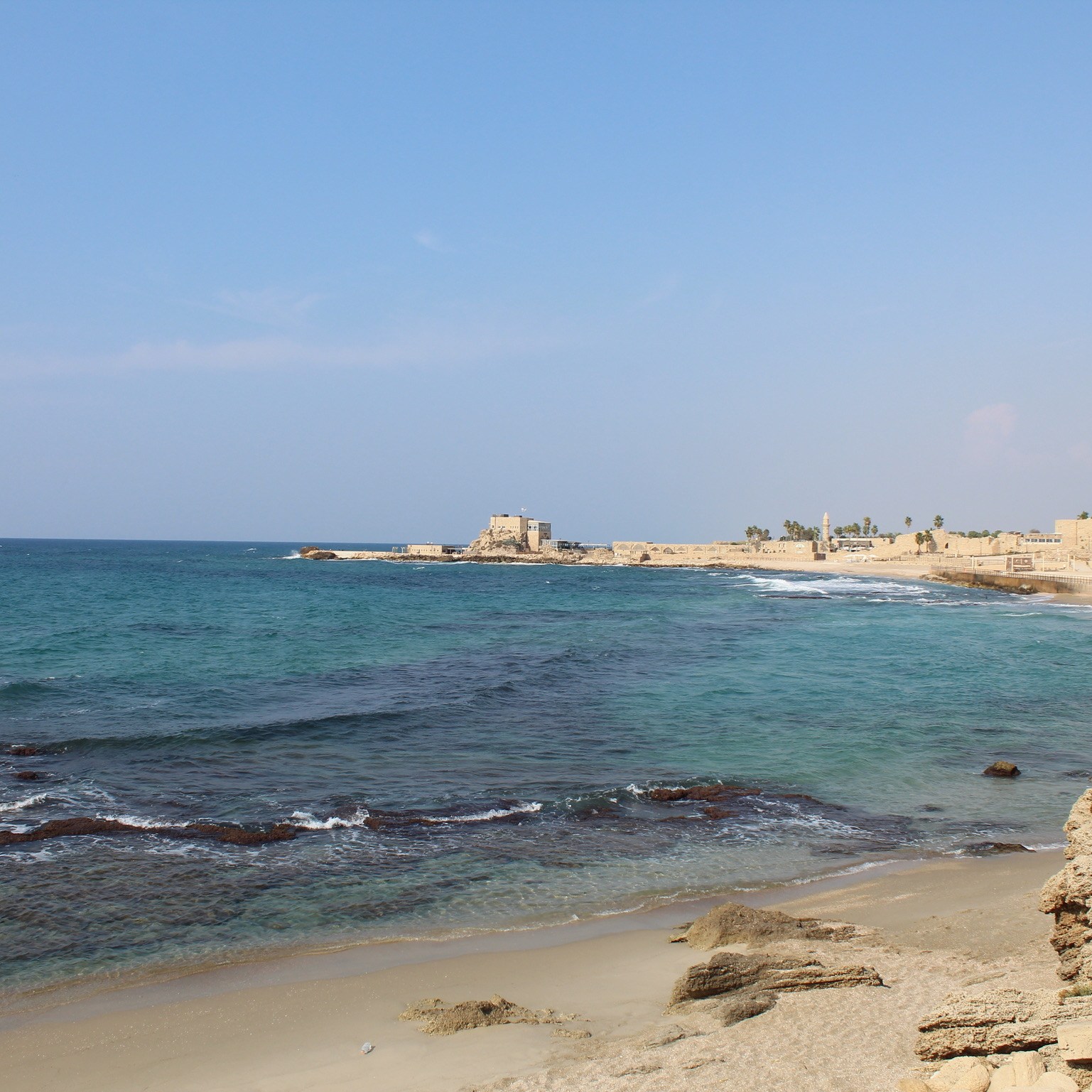
- 27–13 BCE: Peace and Prosperity – Herod initiated grand building projects, including the Jerusalem Temple and Caesarea’s artificial harbor.
- 13–4 BCE: Decline – Domestic strife and Herod’s deteriorating health led to increased paranoia and the execution of several family members.
Rise to Power
Herod’s family was Idumean, and through his father Antipater’s connections, he secured a governorship in Galilee by age 25. His loyalty to Rome was key to his rise, allowing him to be crowned king of Judea in 40 BCE after his father’s assassination. He regained control of the region from the Parthians in 37 BCE, ruling for the next 33 years.
Building Projects
Herod is remembered as a prolific builder, overseeing the construction of cities, fortresses, and one of the ancient world’s most significant religious edifices: the second Jerusalem Temple. His major projects included:
- Caesarea Maritima – A strategic port city built to enhance trade with Rome and Egypt.
- Herodium – A fortress-palace south of Jerusalem.
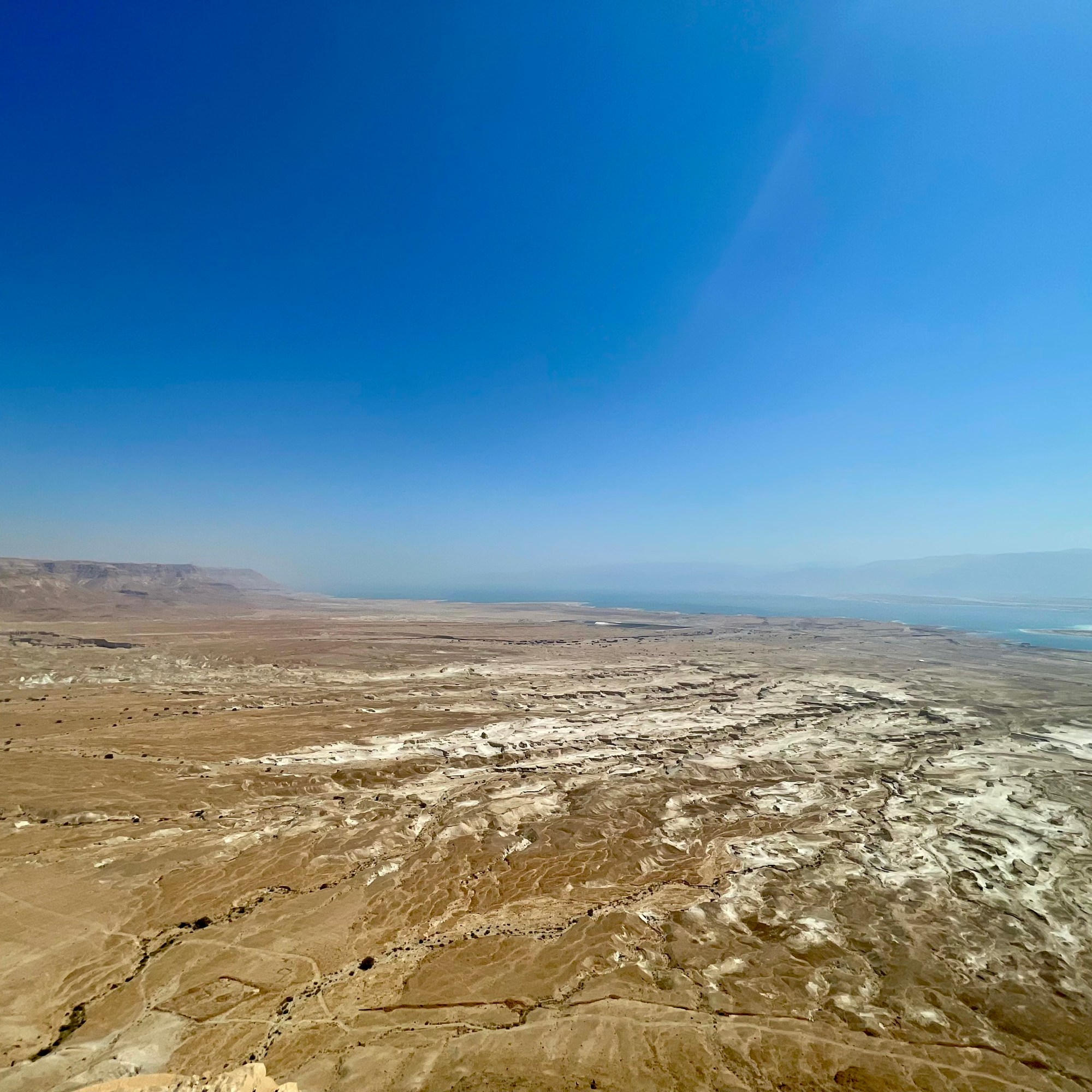
- Masada – A mountain fortress that became the site of the last stand of the Jewish Zealots against Rome in 73 CE.
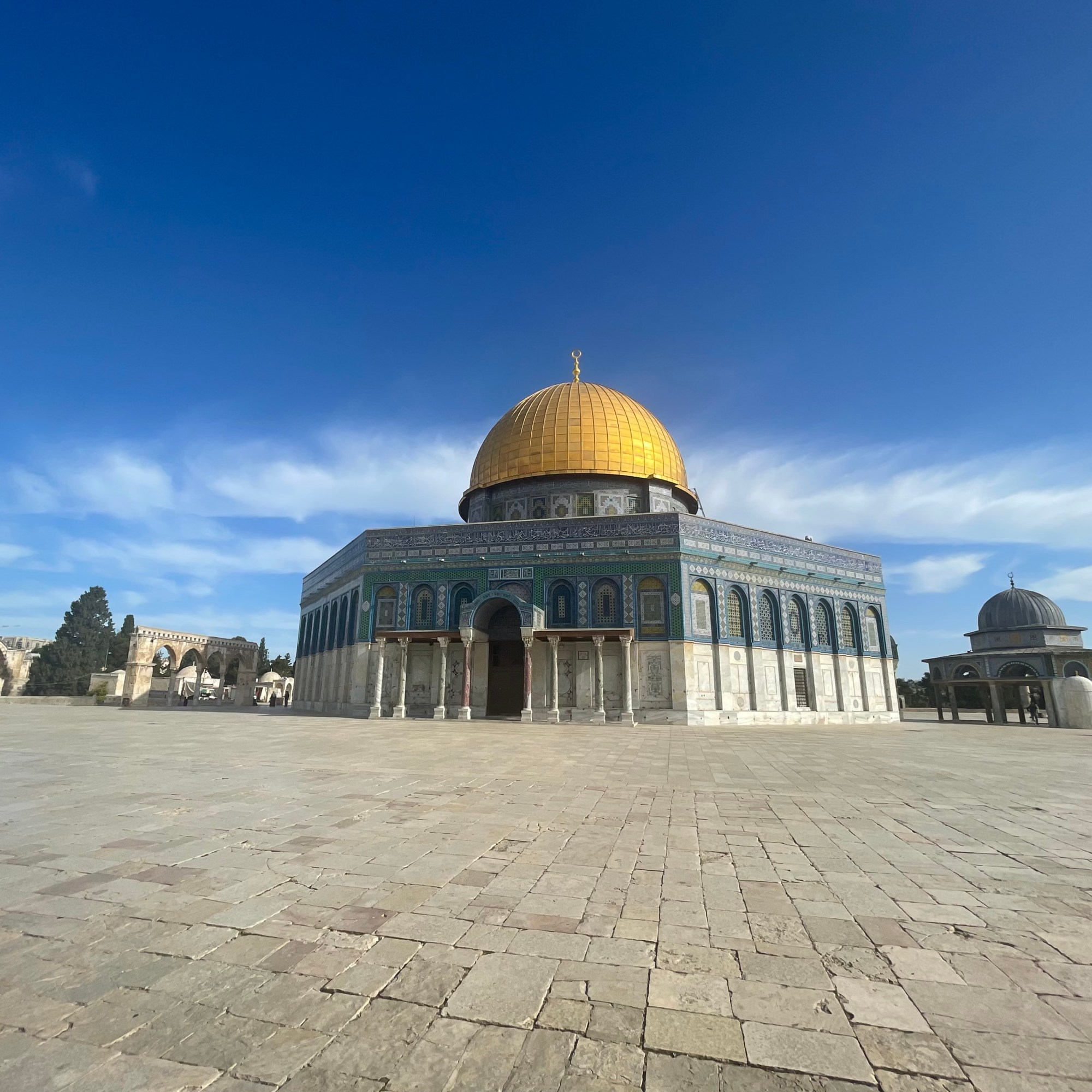
- The Jerusalem Temple – Herod’s most ambitious project, rebuilt to impress both the Jewish people and the Romans.
Tyranny and Paranoia
Herod’s reign was also characterized by extreme paranoia. His fear of losing power led him to execute his wife, Mariamme I, her parents, and two of their sons. Near the end of his life, Herod ordered the massacre of male infants in Bethlehem (Matt. 2:16) in an attempt to eliminate the prophesied “King of the Jews.”
Legacy in the New Testament
Herod’s influence extended into the New Testament. The nativity narrative in Matthew 2 reflects Herod’s notorious jealousy and violent measures to protect his reign. Herod’s building projects also served as the backdrop for many New Testament events, including Jesus’ visits to the Jerusalem Temple and Paul’s trials in Caesarea.
~PW 🌮🛶
Suggested Reading
- Ariel, D. T., & Fontanille, J.-P. (2012). The coins of Herod: A modern analysis and die classification. Brill.
- Connolly, P. (1983). Living in the Time of Jesus of Nazareth. Oxford University Press.
- Eckhardt, B. (2011). ‘An Idumean, That Is, a Half-Jew’: Hasmoneans and Herodians between Ancestry and Merit. In B. Eckhardt (Ed.), Jewish Identity and Politics between the Maccabees and Bar Kokhba: Groups, Normativity, and Rituals (pp. 91–115). Brill.
- Gonen, R. (1994). Biblical Holy Places. Palphot.
- Grant, M. (1971). Herod the Great. American Heritage Press.
- Horbury, W. (1998). Jewish messianism and the cult of Christ. SCM.
- Josephus, F. (1987). The Works of Josephus (W. Whiston, Trans.). Hendrickson.
- Kasher, A., & Witztum, E. (2007). King Herod: A persecuted persecutor: A case study in psychohistory and psychobiography. Walter de Gruyter.
- Landau, T. (2006). Out-Heroding Herod: Josephus, rhetoric, and the Herod narratives. Brill.
- Marshak, A. K. (2013). Glorifying the Present through the Past: Herod the Great and His Jewish Royal Predecessors. In S. E. Porter & A. W. Pitts (Eds.), Christian Origins and Hellenistic Judaism: Social and Literary Contexts for the New Testament (pp. 51–81). Brill.
- McRay, J. (1991). Archaeology and the New Testament. Baker Book House.
- Netzer, E. (2008). The architecture of Herod, the great builder. Baker Academic.
- Packer, J. I., Tenney, M. C., & White, W. (Eds.). (1995). Nelson’s illustrated encyclopedia of Bible facts. Thomas Nelson.
- Price, R. (1997). The Stones Cry Out. Harvest House.
- Richardson, P. (1996). Herod: King of the Jews and friend of the Romans. University of South Carolina Press.
- Ritmeyer, L., & Ritmeyer, K. (1989). Reconstructing Herod’s Temple Mount. Biblical Archaeology Review, 15(6), 23–42.
- Ritmeyer, L., & Ritmeyer, K. (1998). Secrets of Jerusalem’s Temple Mount. Biblical Archaeology Society.
- Rocca, S. (2008). Herod’s Judaea: A Mediterranean state in the classical world. Mohr Siebeck.
- Schäfer, P. (1995). The history of the Jews in antiquity: The Jews of Palestine from Alexander the Great to the Arab conquest. Harwood Academic.
- Schalit, A. (2001). König Herodes: Der Mann und sein Werk (2nd ed.). Walter de Gruyter.
- Schürer, E. (1890). A History of the Jewish People in the Time of Jesus Christ, Vol. 1 (J. MacPherson, Trans.). T&T Clark.
- Schwartz, D. R. (2009). One Temple and Many Synagogues: On Religion and State in Herodian Judaea and Augustan Rome. In D. M. Jacobson & N. Kokkinos (Eds.), Herod and Augustus: Papers Presented at the IJS Conference (pp. 385–98). Brill.
- Shanks, H., & Cole, D. P. (Eds.). (1992). Archaeology in the World of Herod, Jesus, and Paul. Biblical Archaeology Society.
- VanderKam, J. C. (2004). From Joshua to Caiaphas: High priests after the exile. Fortress.
 Phillip W. Martin
Leave a comment