“But thanks be to God, who in Christ always leads us in triumphal procession, and through us spreads the fragrance of the knowledge of him everywhere.” (2 Corinthians 2:14, ESV)
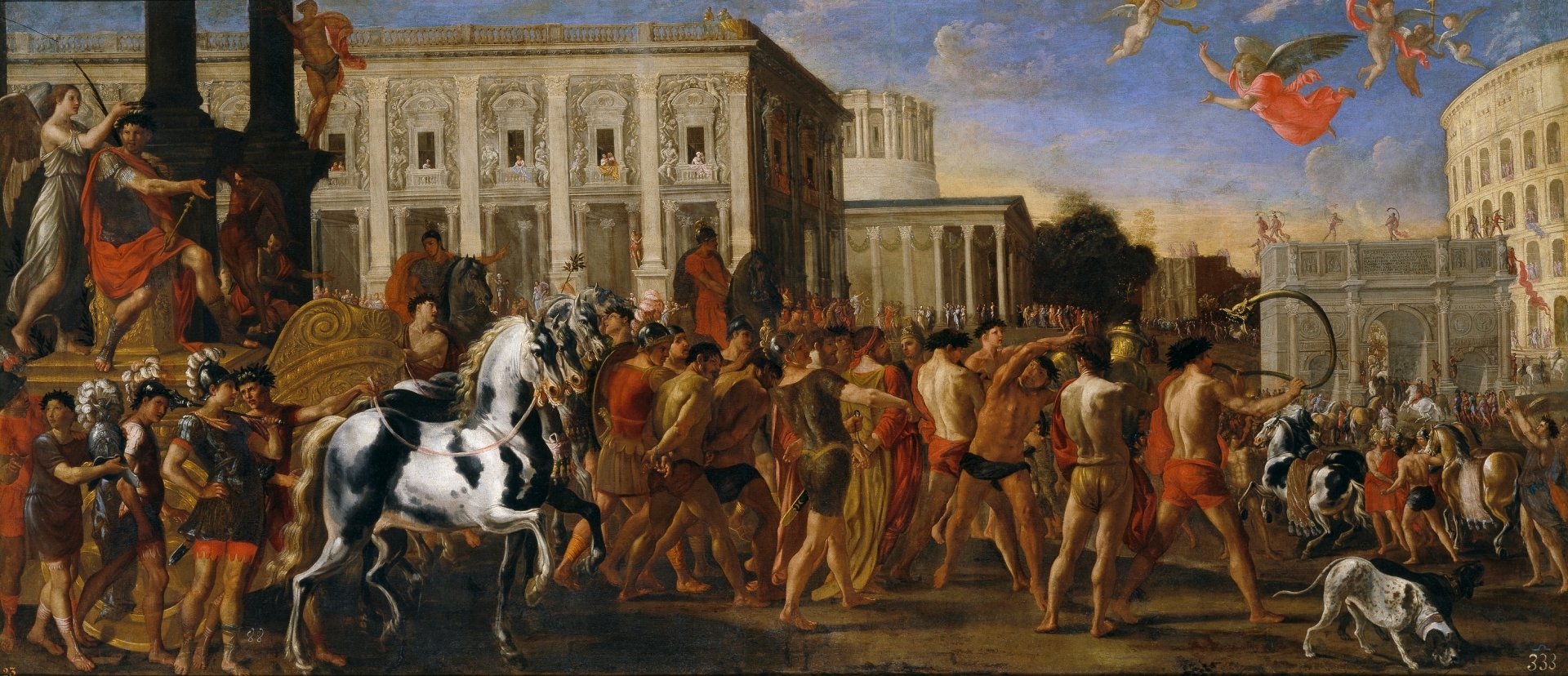
Paul, once a fierce opponent of Jesus, is now completely captivated by Him. In his letter to the Corinthians, Paul paints a picture of what it means to be led by God—not as a triumphant general striding with pride, but as someone who was once an enemy, now being led as a captive in a victory parade. Moreover, this is not the kind of parade you would expect. It’s not about flexing power the way the world would think. Instead, it’s a celebration of how God flips everything upside down.
Think about the Roman triumph—a grand, showy procession where a victorious general parades all the spoils of war, including the captured enemies. Paul grabs this image but turns it inside out. He doesn’t see himself as one of the triumphant soldiers. No, he sees himself as a captive, yet one who is thrilled to be caught up in this divine procession. Once an enemy of God, now, through Christ, Paul has been overtaken by love and grace. He’s not celebrating his victory but the fact that he has been led in God’s triumph. Here’s the paradox—God’s victory shows up not in our triumph but in our surrender.
This image is wild because it disrupts our conventional notions of success and strength. Paul’s life, characterized by suffering and hardship, doesn’t conform to the typical model of power. But that’s the beauty of it. His life demonstrates how God’s power operates in surprising ways. It’s not about displaying worldly strength or success but about how God’s power is perfected in weakness. Being a captive in God’s procession isn’t about being defeated; it’s about being transformed and repurposed for something bigger than ourselves.
Paul’s life and ministry are a picture of this upside-down kingdom where the knowledge of Christ spreads everywhere, like the fragrance of incense in a victory parade. However, there is a twist: while some people find the aroma of Christ sweet, others find it offensive. It’s a reminder that following Jesus isn’t about chasing after worldly recognition or trying to avoid hardship. It’s about being part of a story where God’s strength shows up most clearly in our weakness, where true triumph comes from being led by God, even if that means being seen as weak or foolish by the world.
Paul’s message is crystal clear: he’s not just a passive bystander in this procession; he’s a living, breathing testament to the grace of God. Through him, the knowledge of God is spreading everywhere, urging people to see victory not as something to grab with strength but as something to accept through surrender. It might seem counterintuitive, but this paradox lies right at the heart of the gospel. God’s grace isn’t just inspiring—it’s powerful, bringing a profound sense of hope to everyone who encounters it.
Take Paul’s conversion on the road to Damascus, for example. Here was a man who was all about crushing the followers of Jesus, but in a flash, he was “conquered” by Christ. This moment illuminates how God’s power is not revealed in what the world calls strength but in what it often dismisses as weakness. This ties in perfectly with the ultimate paradox of the cross (Colossians 2:15), where what looked like defeat was the most significant victory ever. Paul’s life, full of suffering, mirrors the suffering of Christ, and in that suffering, God’s power shines the brightest.
And then there’s this idea of the aroma of Christ. Paul talks about it spreading like incense, filling the world with the knowledge of God. Nevertheless, here is the thing: not everyone smells it the same way. It is the sweetest scent for some, but it is a stench for others. This is just like how different people respond to the gospel. Yet through all this, Paul sees himself as a triumphal captive in God’s parade—led, changed, and sent out to show the world the upside-down nature of God’s kingdom.
In this big story, Paul’s role as a captive in God’s triumph reveals a profound truth in the Christian faith: True victory isn’t about showing off our strength but surrendering to God. Moreover, in that surrender, we join in God’s victory, not as conquerors by the world’s standards but as those whose grace has lovingly captured. Paul’s life, from his conversion to his suffering, is a powerful testament to this incredible reality.
~PW 🌮🛶
- Codazzi, V., & Gargiulo, D. (called Micco Spadaro). (n.d.). Constantine’s Triumphal Entry in Rome [Painting]. Museo Nacional del Prado, Madrid. https://www.museodelprado.es/en/the-collection/art-work/constantines-triumphal-entry-in-rome/4a3c8927-5475-4e97-b732-7ed4c907f773
- Garland, D. E. (1999). 2 Corinthians (Vol. 29). Broadman & Holman Publishers.
- Harris, M. J. (2005). The Second Epistle to the Corinthians: A Commentary on the Greek Text. W.B. Eerdmans Pub. Co.; Paternoster Press.
 Phillip W. Martin
Leave a comment