
Tel Megiddo (תל מגידו), sometimes referred to as “Armageddon”. It is located in the Jezreel Valley and is known for its strategic importance and rich archeological history. It serves as the stage for numerous historical and biblical events, making it a focal point for understanding the ancient Near East.
Biblical Events Associated with Megiddo:
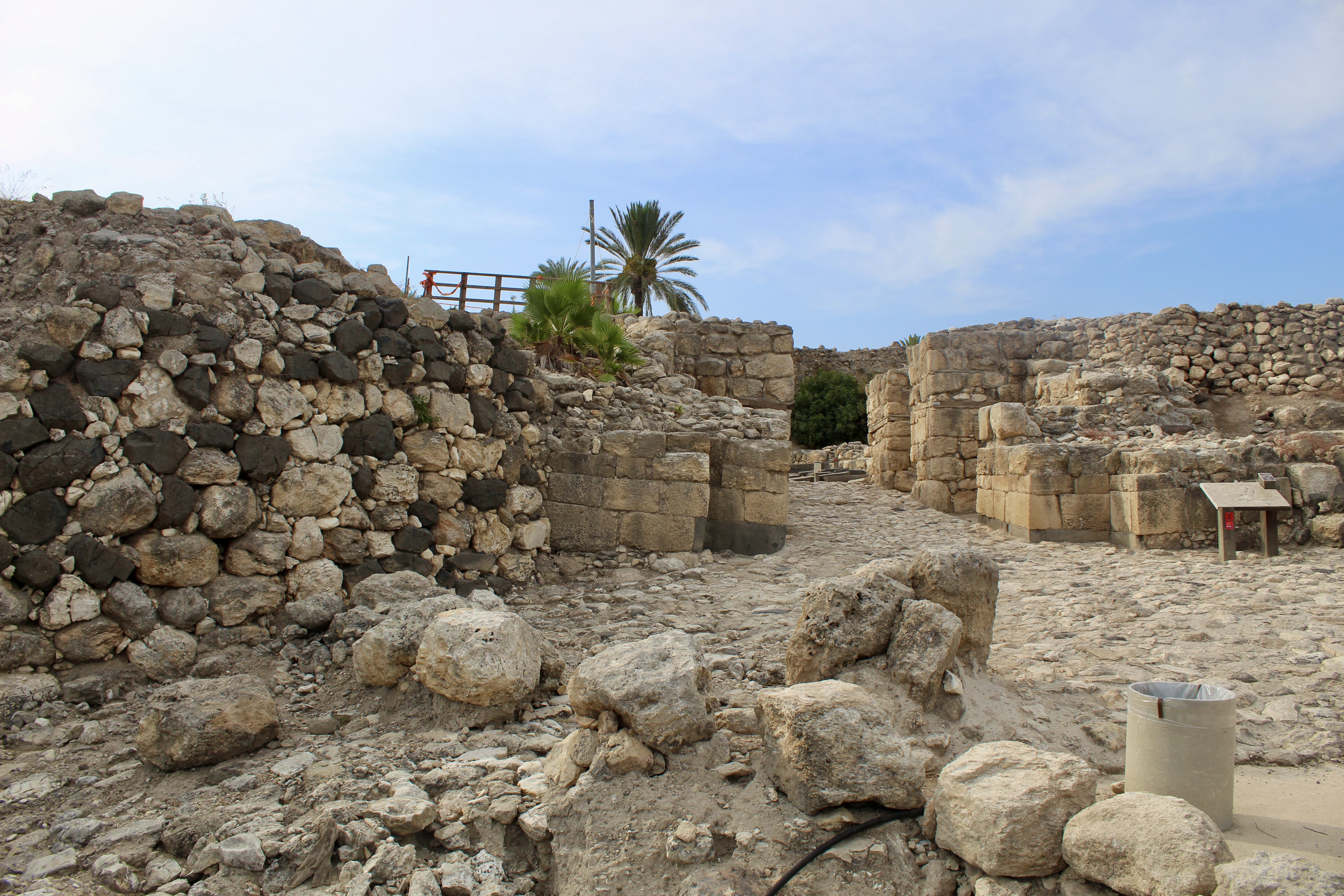
- Solomon’s Fortifications: King Solomon fortified Megiddo along with Hazor and Gezer, enhancing its strategic military importance (1 Kings 9:15).
- Battle of Megiddo: It may be the earliest battle to have a detailed historical record. Pharaoh Thutmose III defeated a coalition of Canaanite kings around 1457 BCE. The Bible echoes this event through various military campaigns associated with the site.
- Death of King Josiah: King Josiah of Judah was fatally wounded at Megiddo during a battle against Pharaoh Necho II of Egypt (2 Kings 23:29-30).
Timeline of Discoveries and Excavations at Tel Megiddo
- 1903-1905, 1925-1939: The University of Chicago’s Oriental Institute conducted the first systematic excavations at Tel Megiddo under the direction of Gottlieb Schumacher (1903-1905) and later Clarence Fisher (1925-1939). These early digs were rudimentary in their methodology. The work still uncovered significant monumental structures such as gates, palaces, and stables attributed to the reign of Solomon. Although not fully published, Schumacher’s work laid the groundwork for future excavations. Fisher’s team meticulously documented their findings, providing valuable insights into the site’s complex stratigraphy. We can be thankful the funding for these digs dried up. This has preserved the site for future generations.
- 1960s: Yigael Yadin, a prominent Israeli archaeologist, conducted further excavations at Tel Megiddo. Yadin’s work confirmed the identification of Megiddo with the biblical Armageddon and revealed additional layers of occupation, highlighting the city’s long and complex history. His team uncovered more details about the Solomonic gates and identified several other structures from various periods. Yadin’s excavations were significant in understanding the city’s fortifications and urban layout.
- 1994-Present: Ongoing excavations led by Israel Finkelstein and David Ussishkin from Tel Aviv University continued to uncover significant artifacts and structures. Eric Cline (an American from George Washington Univ) took his place as co-director. Cline moved on after 2014, and Matthew Adams (another American) became co-director with Fink starting in 2015.* This project, known as the Megiddo Expedition, has been one of the region’s most extensive and systematic archaeological endeavors. The team has used advanced archaeological techniques, including high-resolution satellite imagery, ground-penetrating radar, and sophisticated stratigraphic analysis, to gain new insights into the Canaanite and Israelite periods of Megiddo’s history. Their work has significantly revised the chronology of the site’s occupation and provided a deeper understanding of the socio-political dynamics of ancient Megiddo.
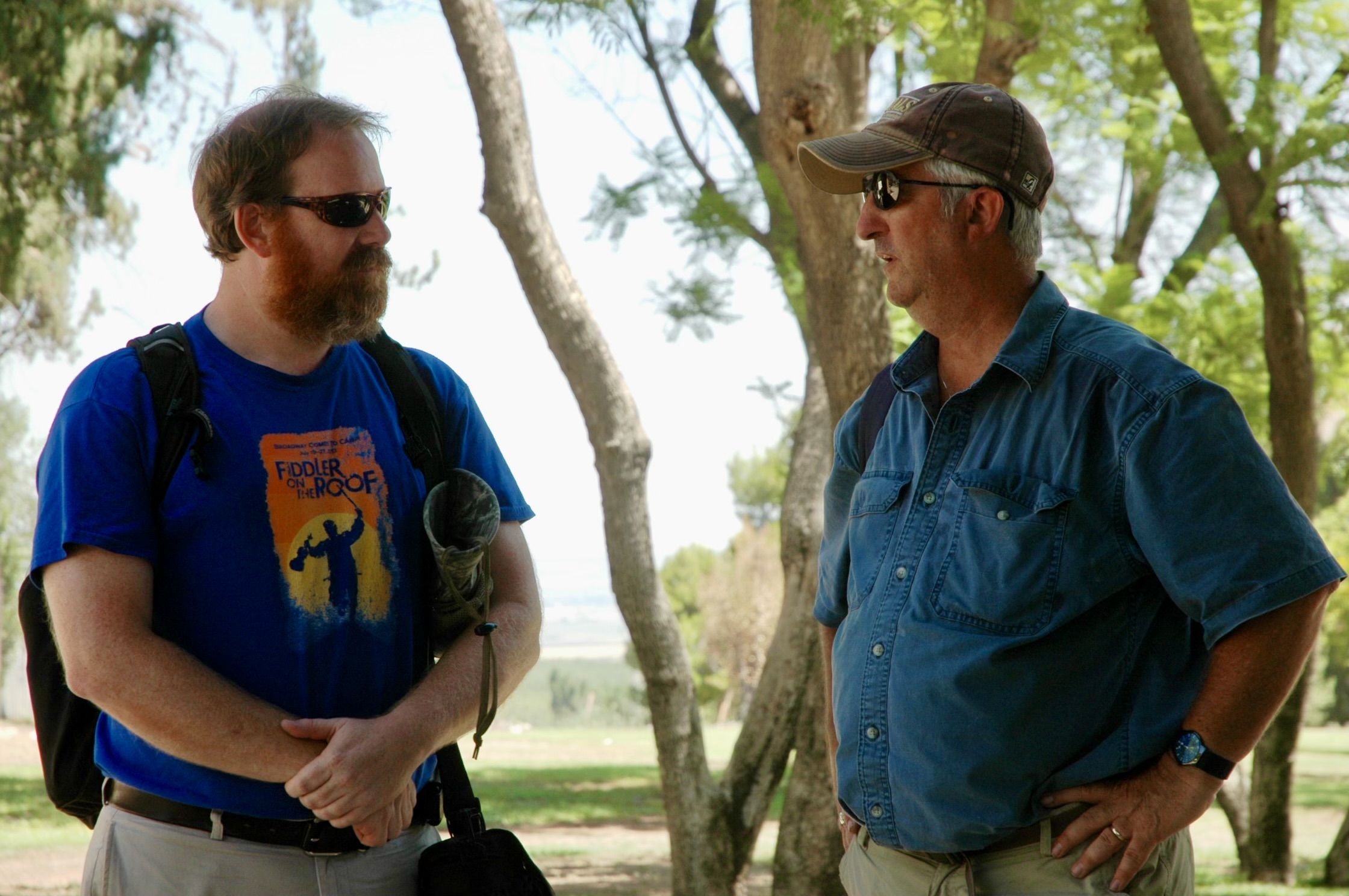
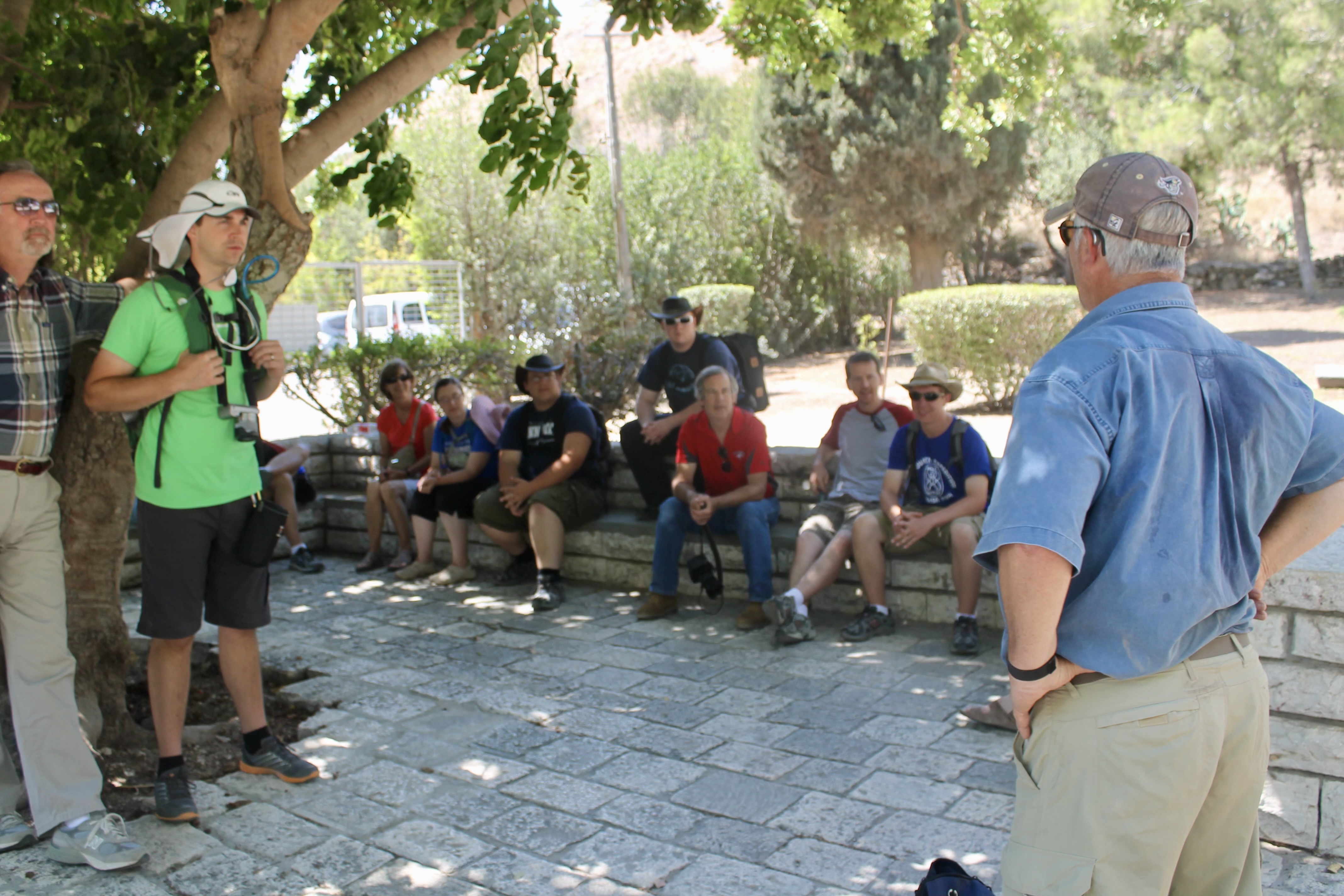
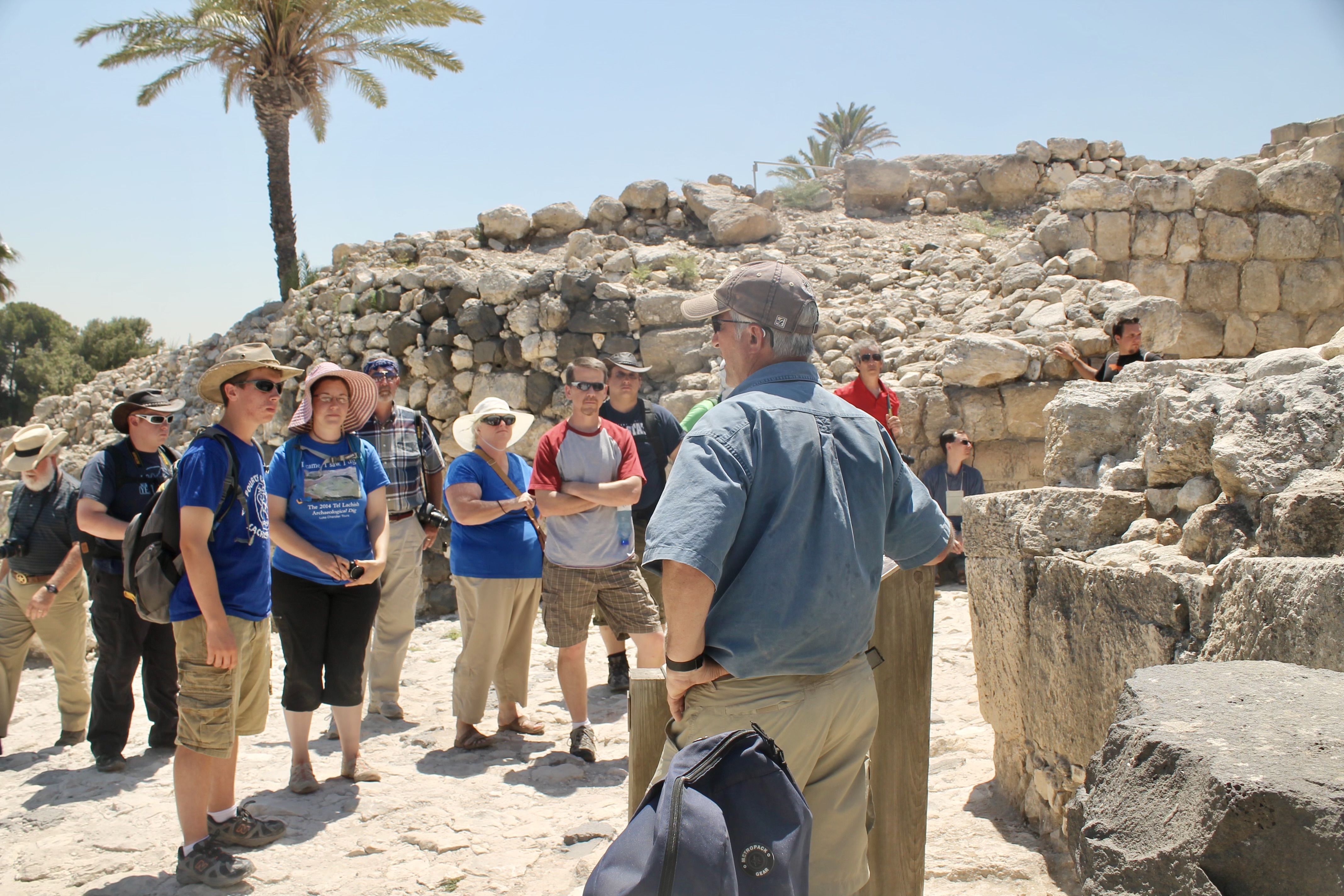
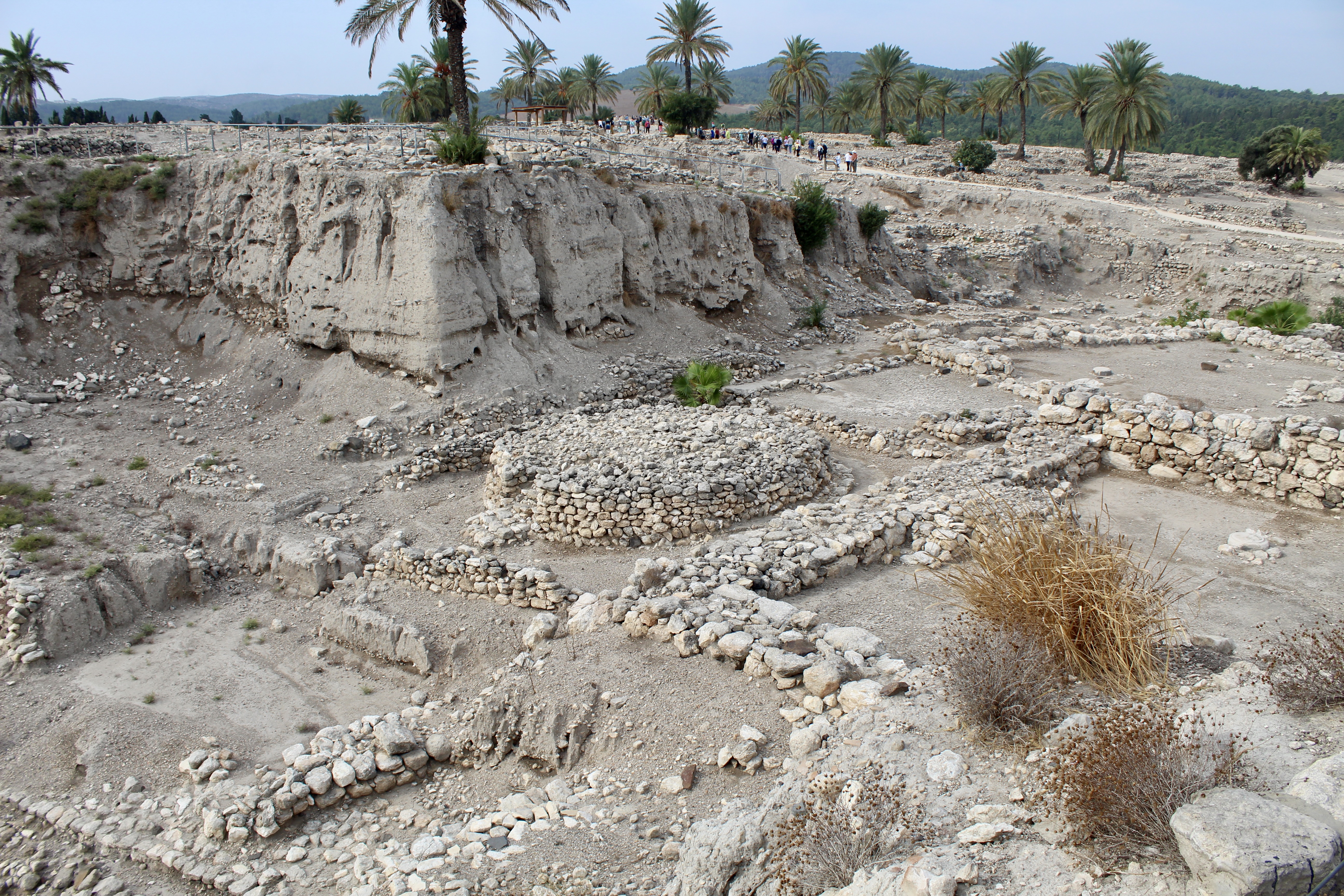
Photo from Luke Chandler
Other Noteworthy Details:
- Strategic Location:
- Crossroads of Trade Routes: Megiddo’s location at the junction of several major trade routes, including the Via Maris, made it a crucial hub for commerce and military strategy in the ancient Near East.
- Overlooking the Jezreel Valley: Its position allowed control over the Jezreel Valley, a fertile and strategically important region.
- Continuous Occupation:
- Long History of Inhabitation: Tel Megiddo was continuously inhabited for approximately 6,000 years, from the Chalcolithic period (around 7000 BCE) to the Persians (5th century BCE). This extensive timeline makes it an exceptional site for studying long-term urban development and cultural changes.
- Layered Archaeological Strata:
- Complex Stratigraphy: The site has more than 20 layers of occupation, each revealing different phases of city life, architecture, and societal changes. This complex stratigraphy provides a detailed record of the evolution of urban life in the region.
- Innovative Construction Techniques:
- Casemate Walls: Megiddo features early examples of casemate walls, a type of fortification consisting of double walls with compartments in between, which could be filled with earth or left empty for storage.
- Ivory and Luxurious Artifacts: Numerous luxury items, including intricate ivory carvings, have been discovered at Megiddo, indicating the wealth and high status of its inhabitants.
- Religious and Cultural Significance:
- Altars and Temples: Excavations have uncovered several temples and altars, including a large circular altar from the Early Bronze Age, suggesting that Megiddo was a significant religious center.
- Canaanite and Israelite Cultures: The site reflects the convergence and interaction of different cultures, including Canaanite and Israelite, which is evident in the varying architectural styles, religious artifacts, and inscriptions found.
- Throne Room:
- Royal Complex: A large building identified as a possible throne room or royal audience hall has been uncovered, showcasing the administrative and political importance of Megiddo in ancient times.
- Innovative Water Engineering:
- Impressive Water System: Megiddo’s water system, including a deep shaft leading to a tunnel that provided access to an underground spring, is one of the most sophisticated ancient water systems ever discovered. It ensured a secure water supply during sieges, demonstrating advanced engineering skills.
- Iron Age Stables:
- Horse Stables: The discovery of large stables from the Iron Age, capable of housing hundreds of horses, underscores Megiddo’s role as a military outpost and its importance in chariot warfare.
~PW 🌮🛶
*Luke Chandler contributed some updates to this
References:
- Cline, E. H. (2020). Digging up Armageddon: The search for the lost city of Solomon. Princeton University Press.
- DeVries, L. (1997). Cities of the biblical world: An introduction to the archaeology, geography, and history of biblical sites. Hendrickson Publishers.
- Finkelstein, I., & Silberman, N. A. (2001). The Bible unearthed: Archaeology’s new vision of ancient Israel and the origin of its sacred texts. Simon & Schuster.
- Keel, O., & Uehlinger, C. (1998). Gods, goddesses, and images of God in ancient Israel. Fortress Press.
- King, P. J., & Stager, L. E. (2001). Life in biblical Israel. Westminster John Knox Press.
- Mazar, A. (1990). Archaeology of the land of the Bible, 10,000–586 B.C.E. Yale University Press.
 Phillip W. Martin