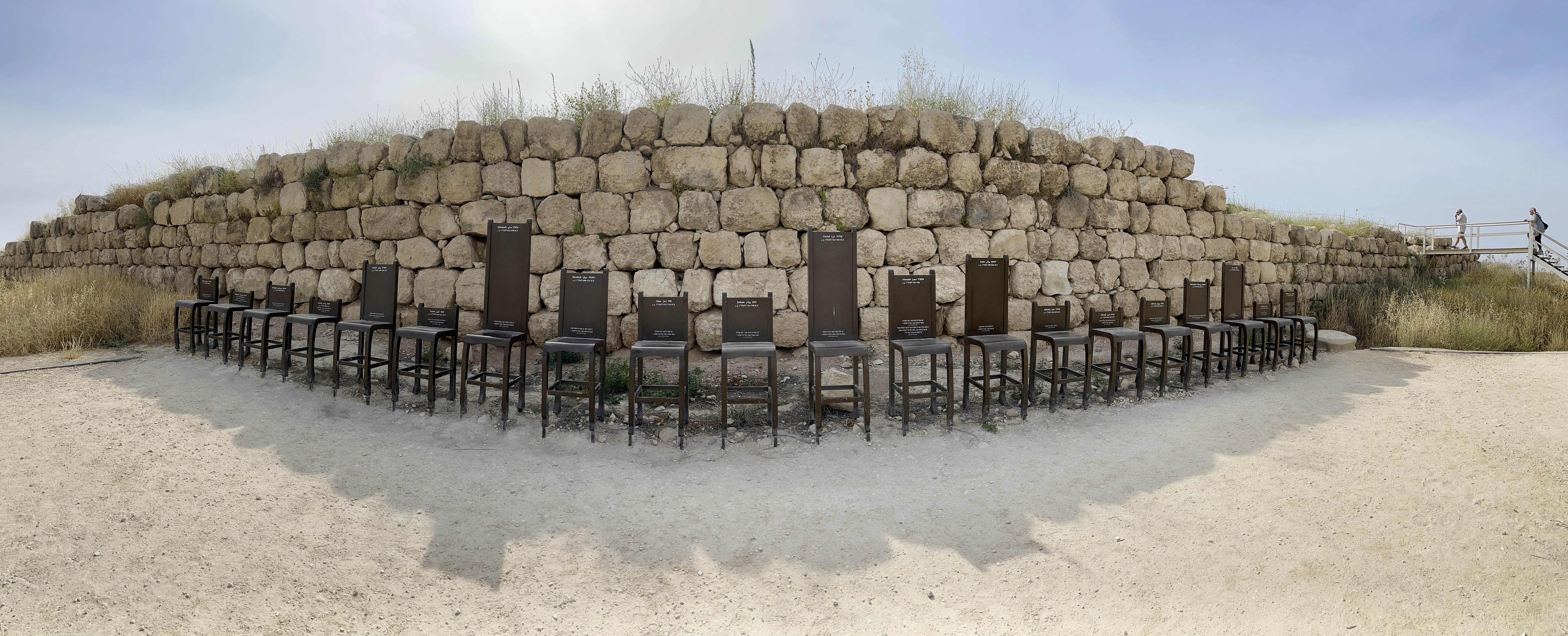
Tel Lachish (תל לכיש) is one of the most valuable archaeological sites in Israel. It is located in the Shephelah region between the coastal plain and the Judean Mountains. Known for its prominence in Judah’s history, Tel Lachish played a pivotal role in various historical and biblical events.
It also has seen more Florida College professors, alums, and supporters work as part of the archeological digs than any other location in Israel. You will find Harold Tabor, Ferrell Jenkins, James Hodges, Phil Roberts, and Luke Chandler among that crowd.
Biblical Events Associated with Lachish:
- Assyrian Siege: Lachish was a fortified city of Judah that faced a significant siege by the Assyrian king Sennacherib in 701 BCE. The event is vividly depicted in the Assyrian reliefs found in Nineveh and is mentioned in the Bible (2 Kings 18:13-14).
- Conquest by Joshua: As part of Joshua’s southern campaign during the Israelite conquest of Canaan, Lachish was captured, and its king was defeated (Joshua 10:31-32).
- Babylonian Destruction: In 586 BCE, Lachish was one of the last cities to fall to the Babylonians before the destruction of Jerusalem. Evidence of this is found in the famous Lachish Letters, which describe the dire situation just before the fall.
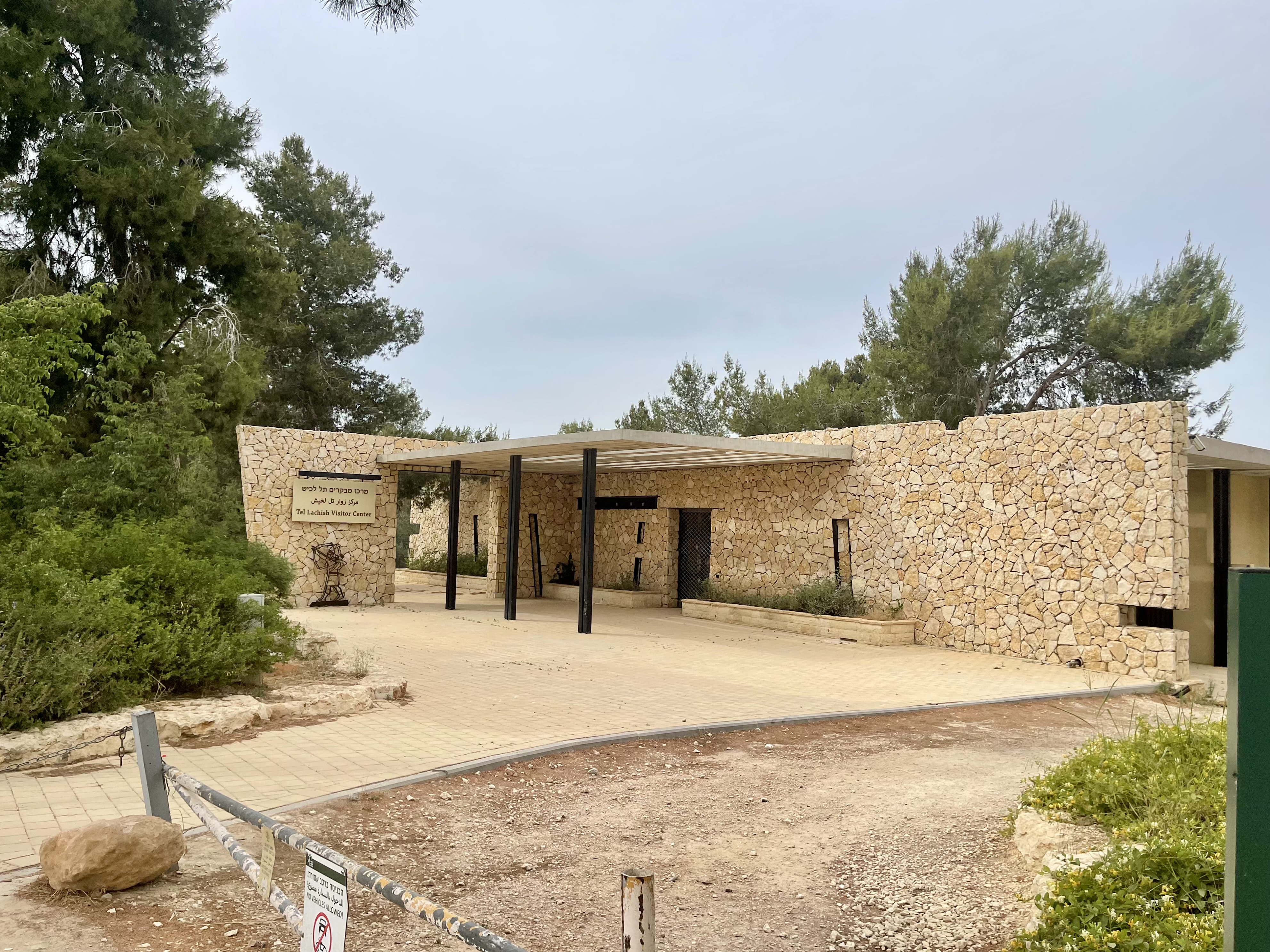
Tel Lachish is renowned for its impressive archaeological finds that offer a window into ancient life and military history.
Timeline of Discoveries and Excavations at Tel Lachish:
- 1932-1938: The first extensive excavations were conducted by James Leslie Starkey. His work uncovered the city’s impressive fortifications, including the massive gate complex, and brought to light the significant role Lachish played in the region.
- 1973-1987: Israeli archaeologist David Ussishkin led a series of excavations, uncovering the palace fort, the large double gate, and several destruction layers. His work provided a detailed understanding of Lachish’s urban layout and critical role during the Judges, the United Monarchy, and the Kingdom of Judah.
- 2013-Present: Ongoing excavations by a team from the Hebrew University of Jerusalem and other institutions have continued to reveal essential aspects of Lachish’s history, including residential areas, administrative buildings, and further evidence of the city’s destruction layers.
Other Noteworthy Details:
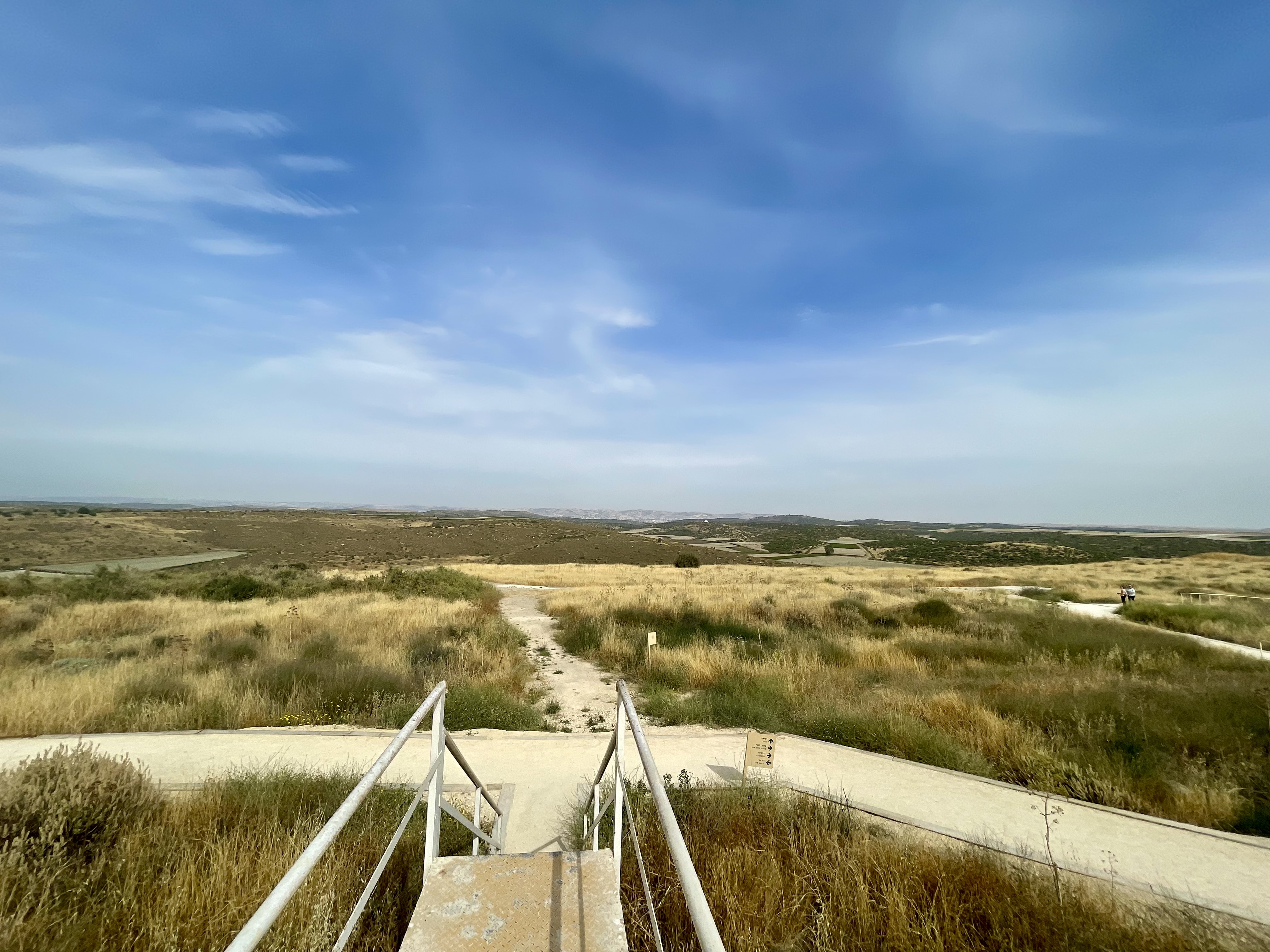
- Fortifications: The massive fortifications at Lachish included a large, well-preserved city gate and a sophisticated siege ramp, indicating the city’s strategic military importance and the advanced engineering skills of its builders.
- Palaces and Temples: Excavations have revealed grand structures such as the palace-fort, which served as a royal residence and administrative center, reflecting the city’s status as a significant political and military hub.
- Lachish Letters: These ostraca (inscribed pottery shards) were found in the ruins of a guardhouse and contained correspondence between Lachish and other Judean cities, providing insights into the political and military affairs of the time.
- Siege Ramp: The Assyrian siege ramp built during Sennacherib’s attack is one of the few surviving examples of such military architecture, offering a tangible connection to the dramatic events described in both Assyrian and biblical records.

~PW 🌮🛶
References
- Dever, W. G. (2002). What did the biblical writers know and when did they know it?: What archaeology can tell us about the reality of ancient Israel. Eerdmans. (Logos Research Edition).
- Rainey, A. F., & Notley, R. S. (2014). The sacred bridge: Carta’s atlas of the biblical world (2nd ed., Emended & Enhanced). Carta Jerusalem. (Logos Research Edition).
- Ussishkin, D. (2004). The renewed archaeological excavations at Lachish (1973-1994) (Vols. I-V) Tel Aviv: Emery and Claire Yass Publications in Archaeology.
- Wright, P. H. (2014). Understanding biblical archaeology: An introductory atlas. Carta Jerusalem. (Logos Reader Edition)
 Phillip W. Martin