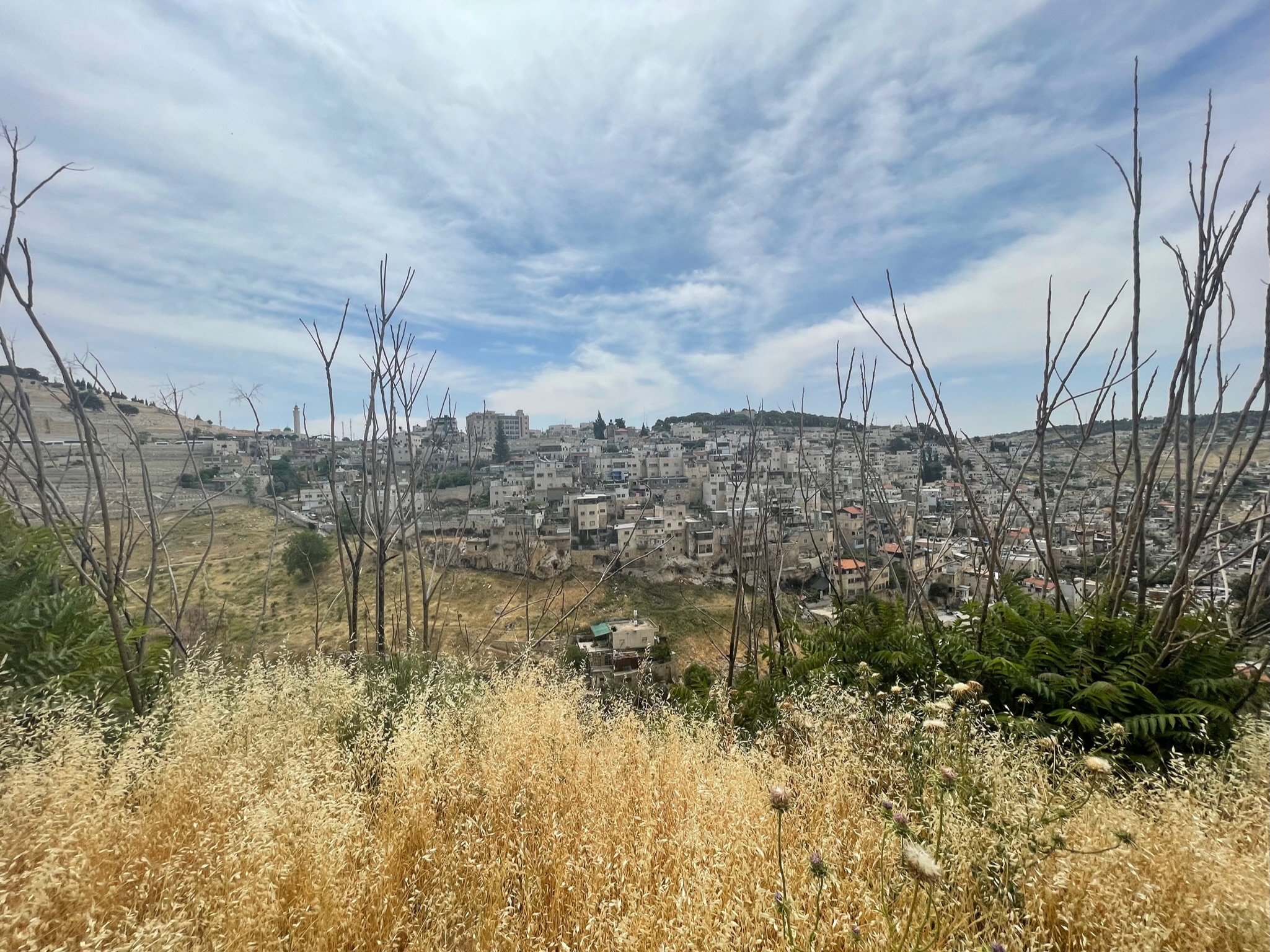
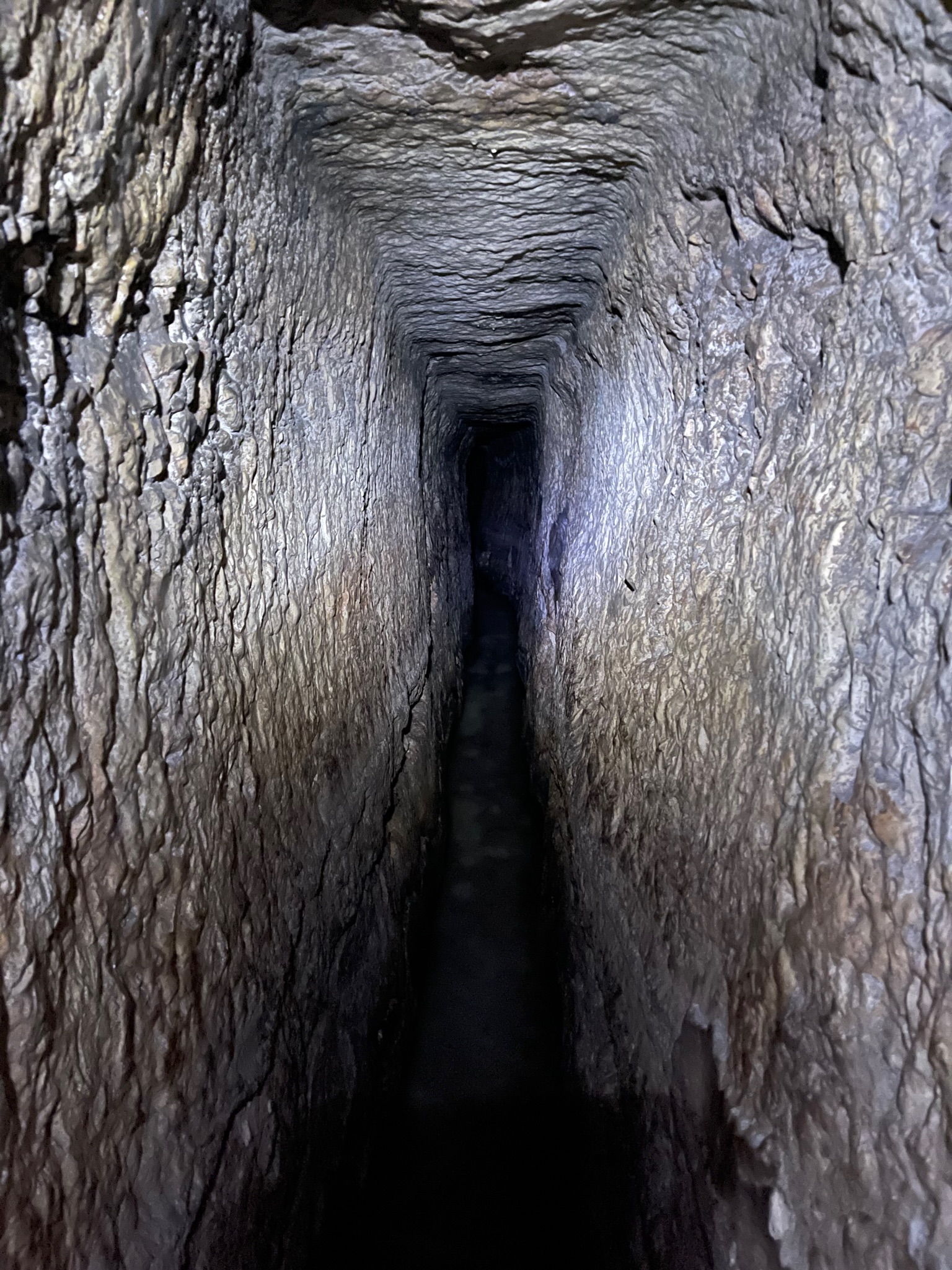
Hezekiah’s Tunnel, also known as the Siloam Tunnel, is an ancient water channel carved through solid rock under the City of David in Jerusalem. Dating back to the 8th century BCE, this impressive engineering feat is attributed to King Hezekiah of Judah, who commissioned the tunnel to secure Jerusalem’s water supply against a potential Assyrian siege. The tunnel’s historical and biblical significance and technical marvel make it a valuable site for Bible and ancient history students. The Hebrew Bible mentions the tunnel in the context of King Hezekiah’s preparations to protect Jerusalem, providing a direct link between archaeological findings and biblical narratives.
Timeline of Discoveries and Excavations at Hezekiah’s Tunnel
- 701 BCE: Hezekiah’s Tunnel was constructed during the reign of King Hezekiah as part of his defensive preparations against the Assyrian invasion led by King Sennacherib. The tunnel was designed to redirect water from the Gihon Spring to the Pool of Siloam within the city walls (2 Kings 20:20; 2 Chronicles 32:2-4).
- 1838: The tunnel was rediscovered by the American biblical scholar Edward Robinson, who identified its historical significance and connection to biblical texts.
- 1880: The Siloam Inscription was found within the tunnel. The inscription, dating back to the tunnel’s construction period, commemorates its completion and provides insights into the methods used by the workers.
- 1996-1997: Archaeological excavations conducted by Ronny Reich and Eli Shukron revealed further details about the tunnel’s construction and usage, including the discovery of additional inscriptions and artifacts that shed light on the period’s daily life and engineering practices.
- 2003-2004: Further excavations and studies by the Israel Antiquities Authority enhanced the understanding of the tunnel’s engineering techniques and historical context, confirming its dating to the late 8th century BCE through radiocarbon dating of organic materials found in the plaster lining the tunnel.
- Present: Hezekiah’s Tunnel is open to the public as part of the City of David archaeological park. It continues to be a focus of research and exploration, providing valuable insights into ancient Jerusalem’s water management and defensive strategies.
~PW 🌮🛶
References
- Biblical Archaeology Society. (2021). Hezekiah’s tunnel reexamined. Biblical Archaeology Review. Retrieved from https://www.biblicalarchaeology.org
- Reich, R., & Shukron, E. (1999). Light at the end of the tunnel: Warren’s shaft theory of David’s conquest shattered. Biblical Archaeology Review, 25(1), 22-33, 72.
- City of David. (2021). Hezekiah’s tunnel (Siloam tunnel). City of David. Retrieved from https://www.cityofdavid.org.il
- Ussishkin, D. (2016). Was Jerusalem a fortified stronghold in the Middle Bronze Age? — An alternative view. Levant, 48(2), 135-151.
 Phillip W. Martin