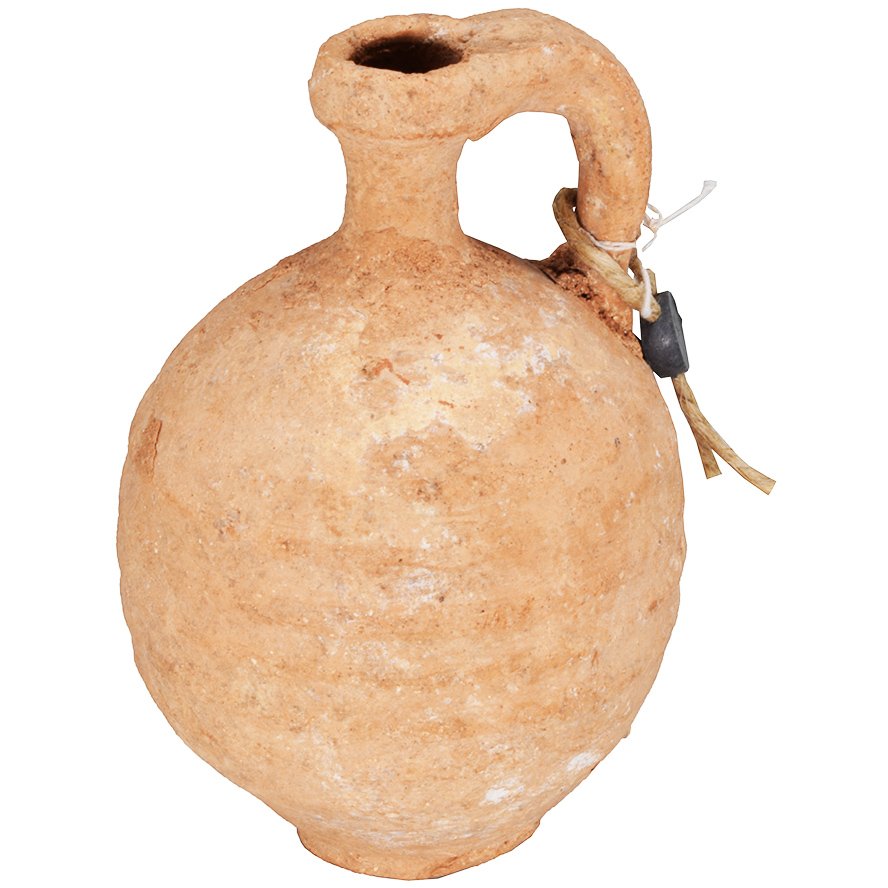
“Is anyone among you sick? Let him call for the elders of the church, and let them pray over him, anointing him with oil in the name of the Lord. And the prayer of faith will save the one who is sick, and the Lord will raise him up. And if he has committed sins, he will be forgiven. Therefore, confess your sins to one another and pray for one another, that you may be healed. The prayer of a righteous person has great power as it is working.” (James 5:14–16, ESV)
This passage opens up with a directive for those who are ill (ἀσθενέω)* to actively seek out the spiritual leaders of their community, underscoring the importance of not just the act of prayer but the communal approach to faith and healing. The anointing with oil, conducted “in the name of the Lord,” serves as a connection to that shared faith, a sign of grace and divine intervention.
The subsequent assurance, “the prayer offered in faith will make the sick person well,” speaks to the power of faith-driven prayer, not merely as a ritual but as a profound communion with God’s will, where healing and forgiveness are intertwined. The call for confession “to each other” further emphasizes the community’s role in healing, fostering an environment of openness, accountability, and mutual support.
Mark 6:13 also speaks to the early Christian practice of anointing for healing: “And they cast out many demons and anointed with oil many who were sick and healed them.“
This verse from Mark highlights the healing ministry of Jesus’ disciples, providing a biblical foundation for anointing the “sick” with oil. It showcases the continuity of healing as a sign of God’s kingdom breaking into the world, a tradition that the early church embraced and continued. Note that the context is again focused on physical and spiritual wellness.
1 Kings 17:21-22 gives an Old Testament precedent of fervent prayer leading to miraculous outcomes, echoing in James’s reference to Elijah: “Then he stretched himself upon the child three times and cried to the Lord, “O Lord my God, let this child’s life come into him again.” And the Lord listened to the voice of Elijah. And the life of the child came into him again, and he revived.“
This narrative not only illustrates the power of prayer but also, as James suggests, serves as an encouragement that the “prayer of a righteous person is powerful and effective,” transcending the boundaries of time to inspire believers in every age to approach God with faith and expectancy.
Scripture always reveals a tapestry of faith, prayer, and community interwoven with the promise of God’s healing and forgiveness. It challenges us to live out our faith in communal, tangible ways, inviting God’s restoring work into our lives and those around us.
~PW 🌮🛶
*For modern Westerners, the word “sick” usually conjures up images of germ-induced illness or physical problems with natural causes. But James is working from a worldview in which sickness can be mental, physical, emotional, or spiritual and is often viewed as the result of satanic power. (Note, for instance, Acts 19:12 and 2 Cor. 12:9–10, where the same word translated here as “sick” is used of that which is caused by demonic forces.)” – For more on the connection between Satan and illness, see Gaiser, Healing in the Bible, esp. chap. 11. Samra, J. (2016). James, 1 & 2 Peter, and Jude (M. L. Strauss & J. H. Walton, Eds.; p. 83). Baker Books: A Division of Baker Publishing Group.
 Phillip W. Martin
Leave a comment